Does Massage Help Neck Tension? What to Know
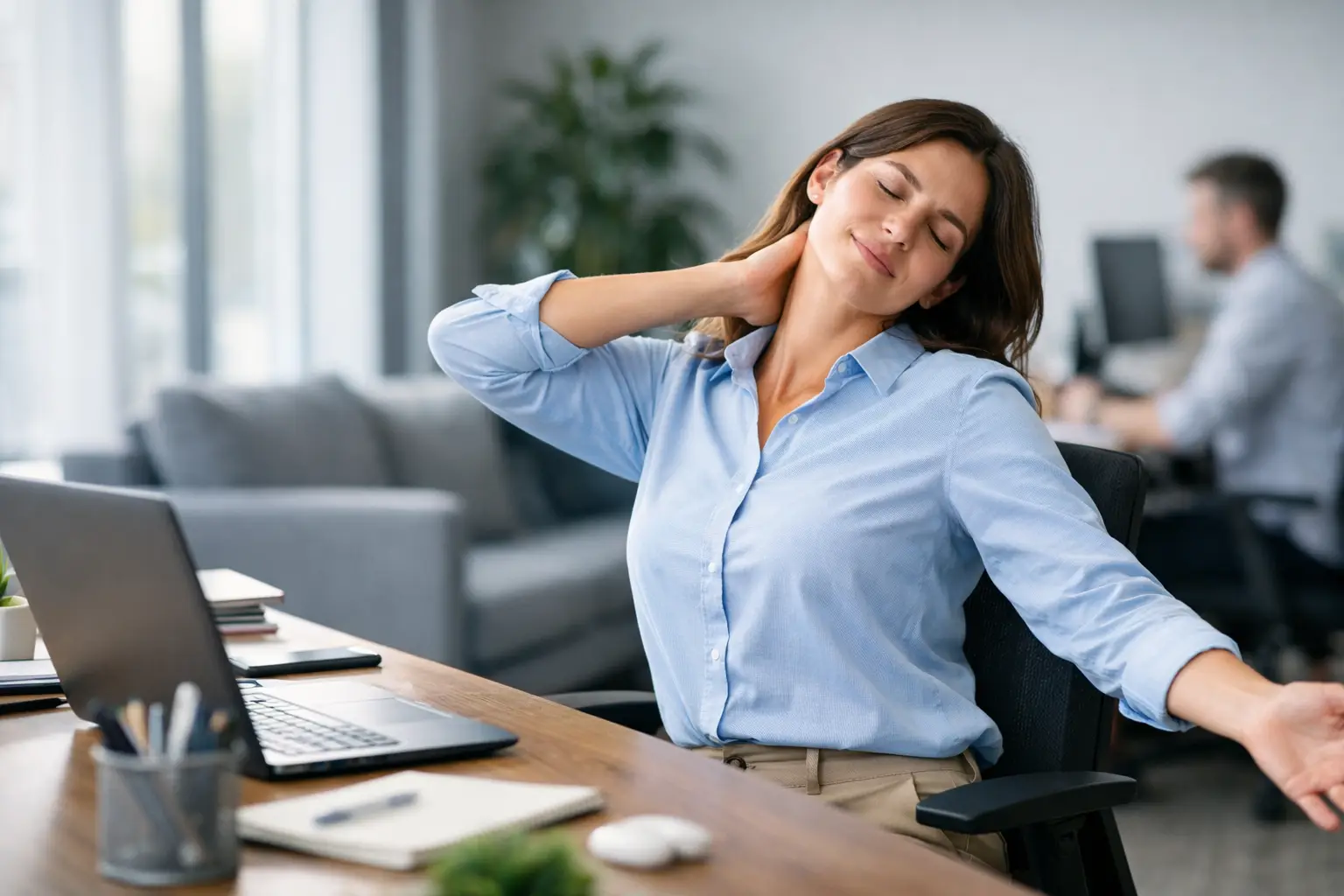
By midafternoon, neck tension can make even simple tasks feel heavier: turning to check a blind spot, looking down at a phone, or settling into bed after a long day. So, does massage help neck tension? For many people, yes. Skillful massage can calm overworked muscles, improve comfortable range of motion, and give the nervous system a chance to step out of its constant bracing pattern.
The key is understanding that neck tension is rarely just a “neck problem.” It may be connected to desk posture, stress, repetitive movement, an old injury, jaw clenching, sleep position, or compensation patterns through the shoulders and upper back. A personalized therapeutic massage looks beyond the spot that hurts and works with the body as a connected whole.
Does Massage Help Neck Tension? Why It Can Work
When the neck feels tight, muscles around the cervical spine, shoulders, and upper back are often doing more work than they should. The upper trapezius, levator scapulae, scalenes, and smaller muscles at the base of the skull can become sensitive and guarded. This may lead to stiffness, a pulling sensation when turning the head, tension headaches, or aching that travels into the shoulders.
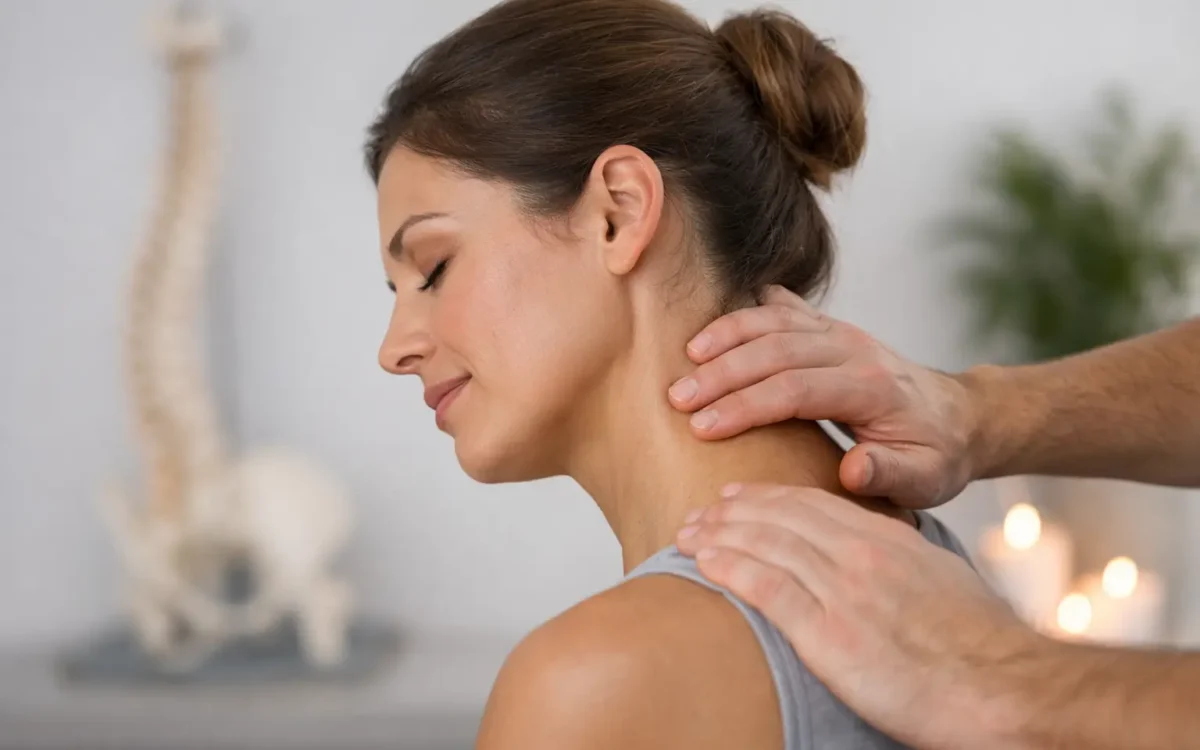
Massage helps by applying thoughtful pressure to soft tissue, encouraging circulation and reducing the protective muscle holding that builds up over time. Gentle, steady touch can also help the nervous system recognize that it is safe to let go. That matters because stress-related tension is not always solved by stretching harder. Sometimes the body needs an invitation to stop gripping.
A well-planned session may improve how the neck moves, but it should not feel like a contest of pressure. Deep work has a place, especially for stubborn trigger points, yet more force is not automatically better. If tissue is highly irritated, aggressive pressure can leave it more tender or cause it to tighten again afterward. The most effective approach matches the pressure, technique, and pace to what your body can comfortably receive that day.
The Areas That Often Need Attention
A neck-focused massage is most helpful when it includes the surrounding structures that influence neck position. The shoulders, upper back, chest, and even the hips can affect how much strain the neck carries during everyday movement.
For example, hours of reaching toward a keyboard can leave the chest muscles shortened and the upper back less active. The head may gradually drift forward, asking the back of the neck to work overtime. In this case, treating only the sore neck muscles may offer temporary comfort, while addressing the chest, shoulders, and postural habits may support longer-lasting change.
Jaw tension can be another overlooked contributor. Many people clench during work, driving, exercise, or sleep without realizing it. The jaw, temples, and upper neck share close functional relationships, so a treatment plan may include gentle work around the scalp, base of the skull, and shoulders rather than focusing on one painful point.
Techniques That May Be Used
Therapeutic massage can be adapted to the type of tension you are carrying. Swedish-style techniques may be useful when stress and generalized tightness are the main concerns, creating a deeply calming start to the session. Focused trigger point treatment can help address tender knots that refer discomfort into the neck or head.
Positional release work is especially valuable when a muscle feels guarded or too sensitive for deep pressure. Rather than forcing the tissue to lengthen, the body is placed in a position of ease while the practitioner waits for the muscle to soften. Gentle stretching and guided movement can then help restore comfort without asking the neck to do too much too soon.
At Golden Healing, personalized bodywork can also be supported by posture-focused assessment and 3D body analysis. Seeing how the head, shoulders, and spine relate to one another can provide useful context for recurring tension and help shape a care plan that feels practical for daily life.
When Massage Is Most Likely to Help
Massage is often a strong option for muscle-related neck tension, particularly when symptoms developed gradually or flare after stressful weeks, travel, workouts, computer work, or poor sleep. It can be helpful for people who feel stiff but still have normal strength and can move their neck, even if movement is uncomfortable.
It may also support recovery when paired with simple changes between sessions. Adjusting screen height, taking brief movement breaks, varying your work position, and using a pillow that keeps your neck comfortably supported can reduce the load that keeps bringing tension back. Massage can create relief, but daily habits help protect it.
For recurring tension, one session may feel wonderful without fully changing the pattern. Some clients benefit from a short series of appointments, spaced close enough together to build on the progress from the prior session. Others do well with maintenance care during demanding work seasons, training cycles, or periods of high stress. The right rhythm depends on your symptoms, activity level, goals, and how your body responds.
What Massage Cannot Replace
Massage is not the answer for every kind of neck pain. Neck symptoms can sometimes involve joints, nerves, discs, inflammatory conditions, or injuries that need medical evaluation. Bodywork can be a valuable part of an overall wellness plan, but it should not delay appropriate care when warning signs are present.
Seek prompt medical attention if neck pain follows a fall, collision, or other trauma. It is also wise to get evaluated for pain accompanied by numbness, tingling, weakness in an arm or hand, loss of coordination, severe or sudden headache, dizziness, fever, unexplained weight loss, or changes in bowel or bladder control. Persistent pain that is worsening or not improving deserves a conversation with a qualified medical professional.
A licensed massage therapist should also know about previous neck surgery, osteoporosis, blood-thinning medication, active illness, cancer treatment, or other health concerns that could affect how a session is planned. Clear communication allows the work to stay both comfortable and appropriate.
How to Get Better Results From Your Session
Before your massage, notice what makes your neck worse and what makes it feel better. Is it most noticeable after sitting, when you wake up, during workouts, or after a stressful day? Does the discomfort stay in one place, travel into the shoulder, or trigger headaches? Those details help your therapist choose techniques with more intention.
During the session, speak up about pressure. Productive therapeutic work can feel intense at times, but it should not feel sharp, alarming, or impossible to relax through. You should be able to breathe normally and let your body respond. A good session is collaborative, not something you simply endure.
Afterward, give the area a little room to settle. Drink water as you normally would, take a relaxed walk, and avoid immediately returning to the same hunched position for several hours if possible. Gentle neck movement can be useful, but avoid forceful stretching or repeatedly trying to crack the neck. If you feel mild soreness after focused work, it should generally ease within a day or two.
A Simple Reset for Workdays
Small resets are often more useful than one long stretch at the end of the day. Every hour or so, let your arms rest by your sides, slowly roll the shoulders back, and take three unhurried breaths. Then gently turn your head right and left only as far as it feels comfortable. This is not about forcing flexibility. It is about reminding your body that it does not have to hold one position all day.
Relief That Respects the Whole Body
Neck tension can be frustrating because it often returns just when you think it is gone. That does not mean your body is failing or that you need harsher treatment. It usually means there is a pattern worth listening to: workload, posture, stress, recovery, or a combination of all four.
Thoughtful massage offers more than a brief escape from discomfort. It can give tight tissue a chance to soften, help you move with greater ease, and make the signals your body has been sending easier to understand. When relief is paired with attentive care and small sustainable changes, your neck has a better chance to feel less like a burden and more like a supported part of a balanced body.
Popular Posts