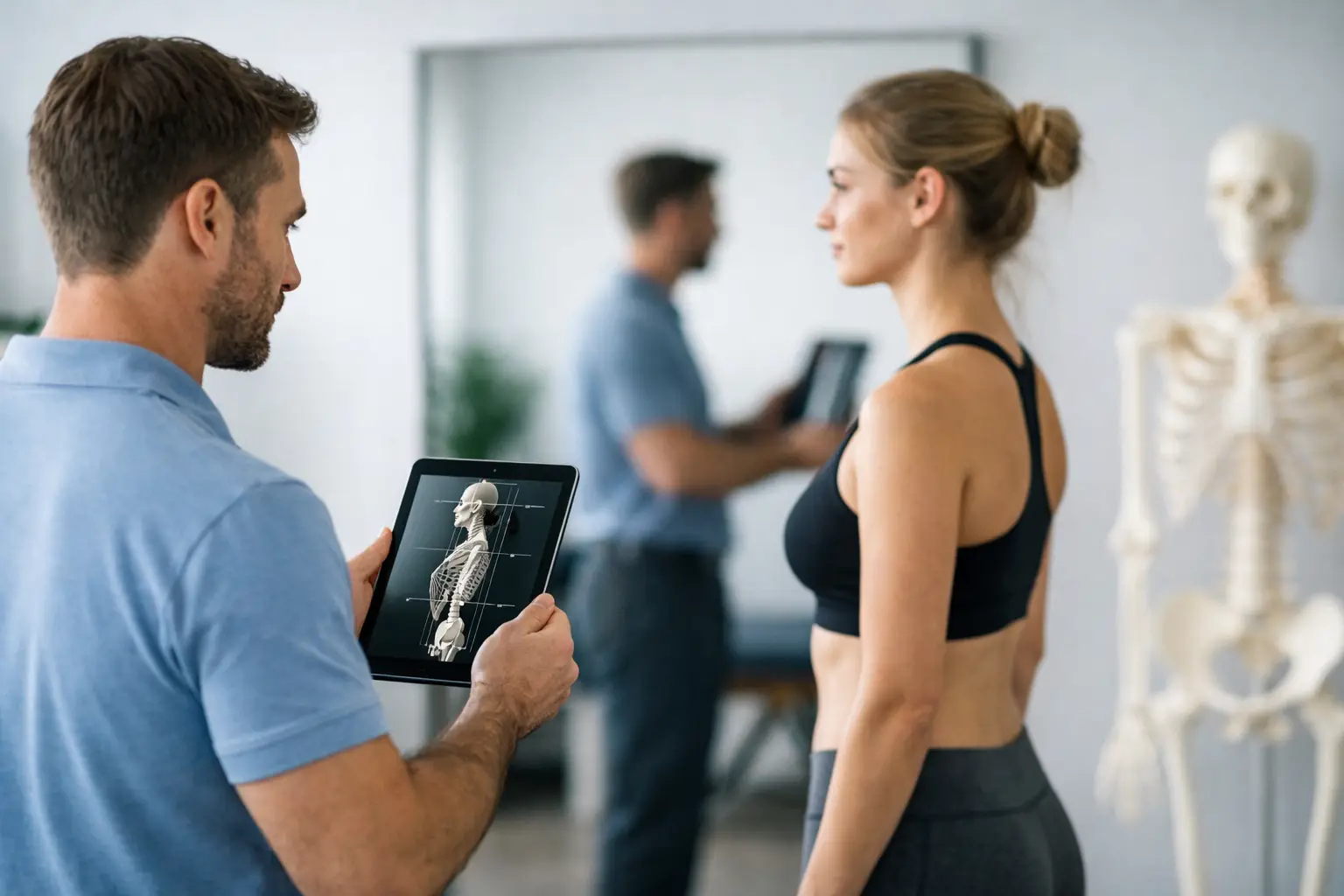
What a Posture Assessment for Pain Can Reveal
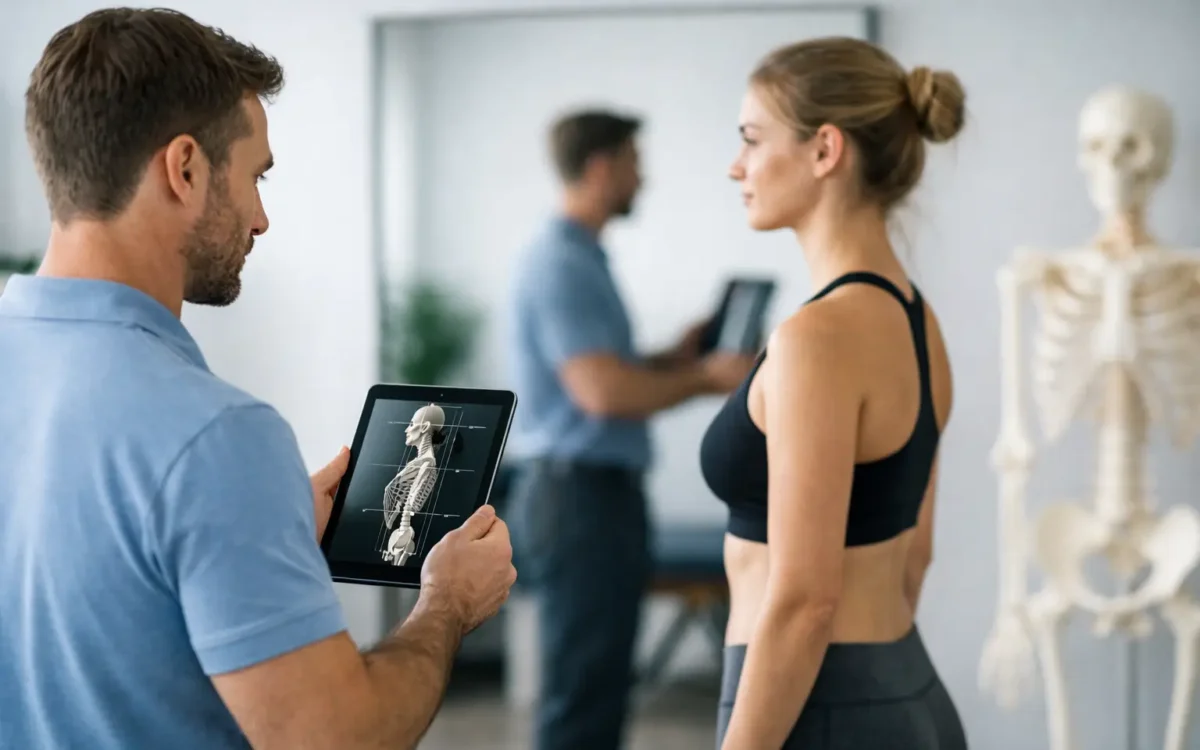
A shoulder that always feels tight, low back discomfort after a workday, or a hip that aches on one side may not begin exactly where it hurts. The body adapts constantly to old injuries, long hours at a desk, repetitive training, stress, and even the way you stand while waiting in line. A posture assessment for pain looks at those adaptations with care, helping reveal patterns that may be contributing to ongoing tension and limited movement.
For many people, massage feels wonderful but the relief fades faster than they would like. That does not mean massage is not working. It may mean the muscles are being asked to return to the same compensations day after day. When posture information guides hands-on care, treatment can be more focused, personal, and purposeful.
Pain Is Often a Pattern, Not Just a Spot
Pain is real at the place you feel it. At the same time, the source of strain is not always local. A sore neck, for example, can be influenced by rounded shoulders, forward head position, restricted chest muscles, a poorly supported work setup, or tension that begins lower in the spine and changes how the upper body carries itself.
The body is remarkably resourceful. If one area becomes stiff, weak, irritated, or guarded after an injury, another area often takes on extra work. A foot may change the way you walk. That change can affect the ankle, knee, hip, and low back. A shoulder that does not move freely may lead the neck to work harder. Over time, these workarounds can feel normal, even when they are exhausting your muscles.
This is why a pain-relief session should not always begin and end at the painful spot. Direct work can be helpful, particularly for trigger points and protective muscle guarding. But a broader view can help determine which tissues need to relax, which areas need better mobility, and where the body may need support to move more evenly.
What Happens During a Posture Assessment for Pain
A posture assessment is not about asking you to stand perfectly straight or judging the way your body looks. There is no single ideal posture that works for every person, every activity, or every body. Instead, the goal is to understand your starting point and see how your body organizes itself at rest and in movement.
At Golden Healing, 3D posture and body analysis can add a clear visual layer to that process. Along with a conversation about your symptoms, routines, previous injuries, stress level, and goals, the assessment may identify visible asymmetries or patterns in how the head, shoulders, rib cage, pelvis, hips, knees, and feet relate to one another.
You may be asked to stand naturally rather than force a correction. This matters. The posture you habitually use gives useful information about where your body may be holding tension or finding stability. Depending on your needs, movement observations may also be part of the process. Simple actions such as turning your head, lifting an arm, bending, walking, or shifting weight can show where motion is smooth and where the body begins to compensate.
The findings are never meant to become a label. One higher shoulder or a rotated pelvis does not automatically explain every symptom, and it does not mean something is seriously wrong. The value comes from connecting the assessment with what you feel, what you do each day, and how your tissues respond to treatment.
What Your Posture May Be Telling Us
A thoughtful assessment can point toward several common contributors to discomfort. Forward head positioning may place added demand on the neck and upper-back muscles. Shoulders that rest forward can be associated with chest tightness, restricted upper-back movement, or overworked muscles between the shoulder blades. A shifted pelvis or uneven weight-bearing pattern may affect comfort through the hips, low back, legs, or feet.
These observations are clues, not conclusions. Someone who spends long hours at a computer may have forward shoulders with no pain at all, while another person may feel headaches, jaw tension, or burning between the shoulder blades. An active runner may notice that one hip feels restricted only after mileage increases. The same visible pattern can have different meanings depending on the person.
A posture assessment is especially useful when pain keeps returning, seems to travel, or does not match the activity you believe caused it. It can also support people who are recovering from an injury, returning to exercise, managing the physical demands of caregiving, or trying to feel more comfortable through long workdays.
Turning Findings Into Personalized Bodywork
The most useful assessment does not end with a report. It shapes a treatment plan that respects your comfort, your goals, and what your body can tolerate that day.
For some clients, that may mean therapeutic massage focused on overworked neck, shoulder, and upper-back tissues. For others, positional release techniques can gently help a guarded area settle, while trigger point treatment addresses stubborn muscular referral patterns. If restricted tissues are changing movement around a joint, focused work may be paired with gentle mobility suggestions that fit into a realistic routine.
Lymphatic drainage may be appropriate when swelling, post-procedure recovery, or a sense of heaviness is part of the picture. Reflexology can offer a deeply calming complement for clients who are carrying stress throughout the body. These approaches serve different purposes, which is why a personalized plan matters more than choosing a treatment from a menu alone.
There is also a practical trade-off to consider. Deep pressure is not always the best answer for chronic pain. When tissue is highly sensitive or the nervous system is already on alert, slower work and a gentler approach can be more productive. Relief should not require you to grit your teeth through a session. Skilled bodywork meets the body where it is and adjusts as it responds.
Small Changes Can Help Treatment Last Longer
Bodywork can create an opening for easier movement, but daily habits help determine what happens next. The goal is not to hold yourself rigidly in one corrected position. Staying in any position too long can create discomfort, even a posture considered good.
Instead, think in terms of variety and support. Raise your screen so you are not constantly looking down. Change positions regularly during long meetings. Use both backpack straps when carrying a bag. Take a short walk after prolonged sitting. If you train hard, give recovery the same attention you give performance.
Your therapist may suggest a simple movement, breathing practice, or workstation adjustment based on what showed up in your assessment. The best recommendation is usually the one you can repeat consistently. A two-minute reset you actually use between tasks may be more valuable than an elaborate routine that never fits your schedule.
When Pain Needs Medical Attention
Massage therapy and posture-focused care can be valuable support for muscular tension, stress-related discomfort, movement restrictions, and recovery. They are not a substitute for medical diagnosis or emergency care.
Seek prompt medical evaluation for severe pain after a significant fall or accident, new numbness or weakness, loss of balance, unexplained swelling, chest pain, fever, or changes in bowel or bladder control. Persistent pain that is worsening, disturbing sleep, or not improving with appropriate care also deserves a conversation with a qualified medical provider. Collaborative care can be the best path when symptoms are complex.
A More Compassionate Way to Work With Your Body
Your posture is not a personal failure, and pain is not always a sign that you have been doing everything wrong. It is often your body asking for attention, support, and a little less compensation. A careful assessment offers a place to begin: not with judgment, but with useful information and hands-on care designed around how you move, feel, and live.
If tension has become part of your normal routine, give yourself permission to look beyond the sore spot. The body often responds beautifully when it is seen as a connected whole.
Popular Posts