Therapeutic Massage vs Spa Massage Explained
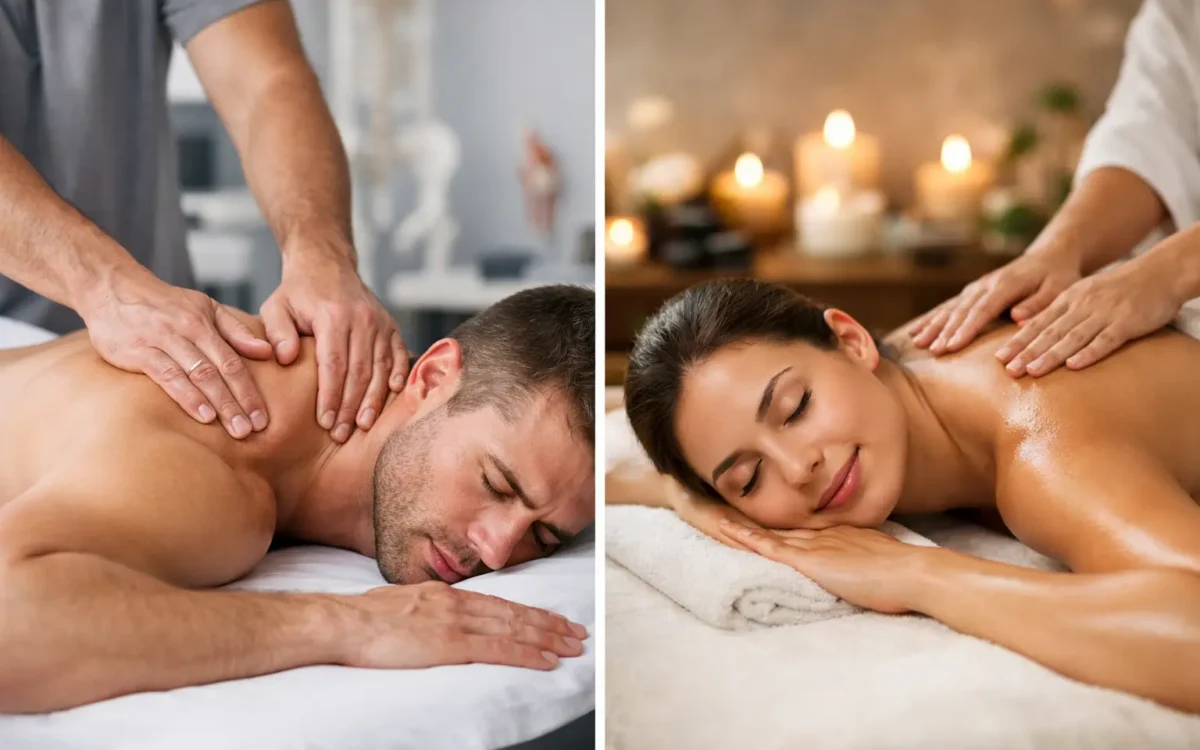
A massage can feel wonderful and still serve very different purposes. When comparing therapeutic massage vs spa massage, the question is not which one is better. It is which kind of care fits what your body needs today. Are you looking to quiet a busy mind for an hour, or are you trying to move more freely, reduce recurring tension, and support recovery from an active life?
Both experiences can ease stress and help you reconnect with your body. The difference is found in the intention behind the session, the assessment that comes before the hands-on work, and what you hope to feel after you leave.
Therapeutic Massage vs Spa Massage: The Core Difference
Spa massage is generally designed around comfort, relaxation, and sensory renewal. The room, music, aromas, and flowing massage strokes all work together to help you settle into a calmer state. It can be an excellent choice when you feel emotionally overloaded, want a restorative treat, or simply need time away from daily demands.
Therapeutic massage begins with a more functional goal. Your massage therapist considers where you feel discomfort, how you move, what activities may be contributing to strain, and how your body is compensating. The session is then tailored to support pain relief, mobility, recovery, circulation, or postural balance. Relaxation is still part of the experience, but it is not the only objective.
This distinction matters because a person with tight shoulders from desk work, hip discomfort after long drives, or calf tension after training may need more than general relaxation strokes. They may benefit from focused work that addresses the patterns behind that discomfort.
What to Expect From Therapeutic Massage
A therapeutic session is personalized rather than performed from a fixed routine. Your therapist may begin by asking about your symptoms, stress levels, exercise habits, recent injuries, sleep, and previous treatments. Depending on your needs, the work may include focused pressure, trigger point treatment, positional release techniques, reflexology, stretching, or attention to movement and posture.
The pressure is not automatically deep. Effective therapeutic work is about using the right pressure in the right place at the right time. For some areas, slow, gentle work can create more change than intense pressure. For others, a more focused approach may be appropriate. Communication throughout the session helps keep the treatment productive and comfortable.
Therapeutic massage often suits people who are managing persistent neck and shoulder tension, low back tightness, headaches related to muscular strain, limited range of motion, workout recovery, or stress that shows up physically. It can also be helpful for those who feel that a standard relaxation massage provides temporary comfort but does not fully address the reason their body keeps tightening up.
At Golden Healing, this individualized approach may also include posture-focused assessment and specialized techniques such as lymphatic drainage when appropriate. These services allow the session to respond to the person in front of the therapist rather than treating every body the same way.
What to Expect From a Spa Massage
A spa massage places the experience itself at the center. Expect broad, rhythmic strokes, soothing pacing, and an atmosphere intended to help your nervous system downshift. You may be offered enhancements such as aromatherapy, warm towels, or scalp and foot massage. The goal is to leave feeling rested, cared for, and refreshed.
That does not make spa massage less valuable. Stress has real effects on the body, including muscle guarding, poor sleep, fatigue, and difficulty relaxing. A peaceful massage can provide a needed reset, especially during demanding seasons of work, family responsibilities, or travel.
The trade-off is that spa massage may not spend enough time assessing or treating a specific pattern of pain or restricted movement. If your main goal is a relaxing escape, that may be exactly what you want. If you are seeking lasting support for a recurring issue, a more therapeutic session may be a better match.
Comparing the Goals, Techniques, and Aftereffects
The easiest way to choose between these massage styles is to start with your desired outcome. Spa massage is often chosen for relaxation, stress relief, and a sense of indulgence. Therapeutic massage is commonly chosen for relief from muscular discomfort, improved movement, recovery support, and a more customized care plan.
The techniques can overlap. Both may use Swedish-style strokes, focused pressure, and calming touch. The difference is how those techniques are applied. In a spa setting, the massage commonly follows a full-body, relaxation-centered flow. In a therapeutic setting, the therapist may spend more time on one region, work with changing pressure and positioning, or return to an area after addressing related muscles elsewhere in the body.
The aftereffects can differ too. After a spa massage, most people expect to feel loose, calm, and ready for a quiet evening. After therapeutic work, you may feel relaxed but also more aware of how your body has been holding tension. Some clients notice improved ease of movement right away. Others experience gradual change over several sessions, especially when tension has built up over months or years.
Neither approach should leave you feeling as though you have endured something. Mild tenderness can happen after focused work, particularly if tissues were sensitive beforehand, but pain is not proof that a massage was effective. A skilled therapist adjusts the session based on your response.
How to Choose the Right Session for Your Needs
Consider a spa massage when you want to decompress, celebrate a special occasion, or take a restorative pause without a specific physical concern driving the appointment. It can be a beautiful form of self-care, and it may be all your body needs at that moment.
Consider therapeutic massage when one or more of these situations sounds familiar:
- You have a recurring area of tightness or discomfort that keeps returning.
- You want help recovering from workouts, active hobbies, travel, or physically demanding work.
- Your posture, desk setup, or daily routines seem to be affecting how your body feels.
- You are looking for a treatment plan rather than a one-time relaxation experience.
You do not need to arrive with a diagnosis or perfect language for what you feel. Describing when the discomfort occurs, what makes it better or worse, and what you hope to return to doing comfortably gives your therapist useful information.
For swelling, recent surgery, circulation concerns, pregnancy, acute injury, or a medical condition, always share your health history before booking. Massage may need to be modified, delayed, or coordinated with your health care provider. Specialized lymphatic drainage and recovery-focused care require thoughtful screening and an appropriately trained practitioner.
Can One Massage Be Both Therapeutic and Relaxing?
Absolutely. The most meaningful sessions often make room for both. Your nervous system responds best when it feels safe, and relaxation can help the body release protective tension. At the same time, therapeutic intention gives that relaxation direction.
A customized session might begin with calming, full-body work to help you settle in, then focus on the neck, hips, low back, or feet based on your goals. It can finish with soothing integration so you leave grounded rather than rushed. This blended approach is especially valuable for busy professionals and active adults who need real physical support but do not want to sacrifice the restorative feeling of massage.
Let Your Goals Lead the Appointment
The best massage is not defined by a menu label, a pressure level, or how luxurious the setting feels. It is the one that meets you honestly where you are. Some days, your body asks for quiet. Other days, it asks for focused care, skilled assessment, and a plan for feeling better beyond the massage table.
Listen to the pattern, not just the moment. When your body has been asking for attention, a personalized therapeutic session can be a gentle next step toward greater comfort, movement, and renewal.
Popular Posts