How Lymphatic Drainage Supports Recovery
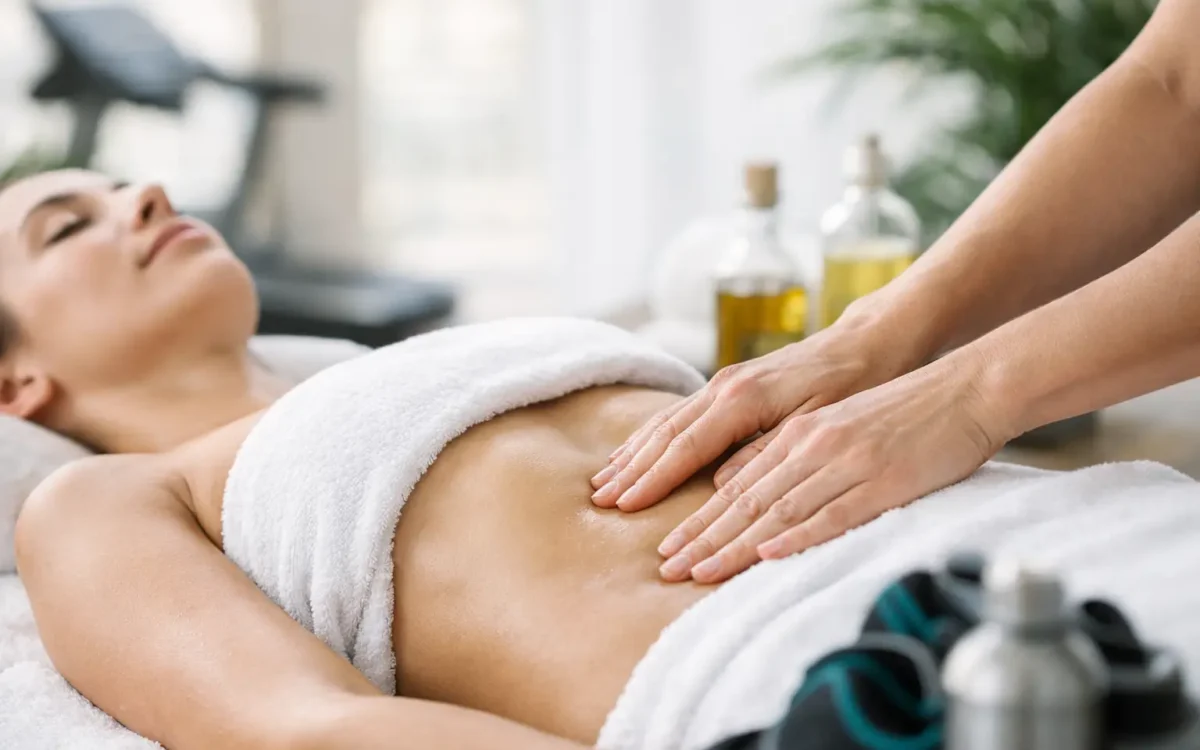
A hard workout, a demanding workweek, an injury, or a medical procedure can leave the body feeling heavy, tight, and slow to rebound. Understanding how lymphatic drainage supports recovery can help you choose care that feels deeply relaxing while also addressing swelling, tissue comfort, and the body’s natural healing process.
Lymphatic drainage is not a deep-tissue massage. It is a specialized, gentle approach designed to encourage the movement of lymph fluid through the body’s lymphatic system. For people in Argyle and across North Texas who want more than a standard relaxation massage, it can be a thoughtful addition to a personalized recovery plan.
What the Lymphatic System Does
Your lymphatic system is part of the body’s circulation and immune support network. It collects excess fluid, proteins, cellular waste, and other materials from the spaces between your cells, then moves that fluid through lymph vessels and lymph nodes. From there, the body can process and eliminate what it no longer needs.
Unlike the circulatory system, the lymphatic system does not have a central pump like the heart. Its flow is supported by breathing, muscle movement, body position, and the natural rhythm of the vessels themselves. When you have been inactive, are dealing with inflammation, or are recovering from physical stress, that flow may feel less efficient. This can contribute to a sense of puffiness, tenderness, or heaviness.
Manual lymphatic drainage uses light, precise strokes and directional techniques to support this natural movement. The pressure is intentionally gentle because many lymph vessels sit close to the surface of the skin. More pressure is not better here. Skilled work follows the pathways of the lymphatic system rather than forcing the tissue.
How Lymphatic Drainage Supports Recovery in Real Life
Recovery looks different from person to person. An active runner may be managing sore, overworked legs, while a professional who sits at a desk may be carrying stress in the neck, shoulders, and low back. Someone else may be healing after a procedure and navigating temporary swelling under medical guidance.
Lymphatic drainage can support recovery by encouraging comfortable fluid movement in areas that feel congested or puffy. When excess fluid is part of the issue, gentle lymphatic work may help reduce the feeling of fullness and promote a lighter, more mobile sensation. It can also be profoundly calming. The slow, intentional pace often helps the nervous system shift out of a stressed, guarded state, which matters when the body has been under strain.
For active clients, this work may complement rest, hydration, mobility exercises, and appropriate strength training. It is not a replacement for sleep, nutrition, medical care, or a well-designed training schedule. It is supportive care that can make recovery feel more comfortable and sustainable.
For clients dealing with everyday tension, lymphatic drainage may be blended with therapeutic massage, trigger point work, positional release techniques, or posture-focused assessment. The right combination depends on whether the main concern is fluid retention, muscular restriction, pain patterns, stress, or a mix of several factors.
After Exercise and Physical Exertion
Strenuous activity creates normal stress in muscles and connective tissue. A recovery-focused session can be useful when your body feels achy, stiff, or unusually heavy after training, travel, long shifts on your feet, or a period of increased activity.
Lymphatic techniques are especially appropriate when the goal is gentle restoration rather than aggressive tissue work. If your legs are already tender from a long run or demanding workout, intense pressure may feel like too much. A lighter approach can help you settle, breathe more freely, and return to comfortable movement without adding more strain.
Timing matters. Some people prefer a gentle session within a day or two of exertion, while others benefit more from waiting until acute soreness has eased. Your therapist can adjust the session based on how you feel that day rather than following a one-size-fits-all routine.
Supporting Post-Procedure Recovery
Lymphatic drainage is often discussed after cosmetic or medical procedures because swelling can be a normal part of healing. In these situations, the most important step is to follow your surgeon’s or physician’s instructions. Some procedures require specific timing, compression garments, movement restrictions, or clearance before bodywork begins.
When approved by your medical provider, post-procedure lymphatic work may support comfort and the management of expected swelling during recovery. The treatment should be exceptionally gentle, carefully planned, and adapted to the healing stage. A qualified therapist will avoid incisions, fragile tissue, areas of concern, and any technique that could interfere with medical guidance.
No massage therapist should promise a particular surgical outcome or suggest that bodywork can replace follow-up care. The best approach is collaborative: your medical team guides the healing plan, and specialized bodywork may serve as a supportive part of it.
When Stress Has Your Body Feeling Stuck
Recovery is not only about workouts and procedures. Chronic stress can change how you hold your body. Shallow breathing, long hours at a screen, poor sleep, and constant rushing can leave the shoulders elevated, the jaw tense, and the whole system feeling depleted.
Because lymph flow is influenced by movement and breathing, slowing down can be meaningful. A calming lymphatic session gives the body a chance to rest while receiving purposeful, hands-on care. Many clients notice that the benefit is not simply physical. They leave feeling quieter, less burdened, and more connected to what their body has been asking for.
What a Session Feels Like
If you expect a traditional firm-pressure massage, lymphatic drainage may surprise you. The strokes are slow, rhythmic, and light. The goal is not to dig into knots or create the soreness sometimes associated with deep tissue work. Instead, the work is precise and soothing, with attention to areas where fluid movement and tissue comfort need support.
Your session should begin with a conversation about your health history, current symptoms, activity level, medications, and recovery goals. If you are also experiencing muscular pain or postural strain, your therapist may recommend a customized session that combines modalities rather than relying on lymphatic work alone.
Afterward, some people feel relaxed and sleepy, while others feel refreshed or notice that movement feels easier. Staying well hydrated, taking an easy walk if appropriate, and giving yourself permission to rest can help you get the most from the experience. Responses vary, so it is wise to plan a lighter evening when possible.
When Lymphatic Drainage Is Not the Right Choice
Gentle does not mean appropriate for every situation. Lymphatic drainage should be postponed or cleared with a medical provider if you have an active infection, fever, unexplained swelling, known or suspected blood clot, uncontrolled heart or kidney conditions, or certain cancer-related concerns. Sudden swelling, warmth, redness, shortness of breath, or chest pain requires prompt medical attention, not a massage appointment.
A trained practitioner will screen for contraindications and ask follow-up questions before beginning. Be honest about recent surgeries, diagnoses, medications, and changes in symptoms. That information is not a barrier to care. It is what allows your session to be safe, personalized, and genuinely helpful.
A Personalized Path Back to Feeling Better
The most effective recovery care meets your body where it is. Some days call for focused muscle work to address tension and movement restrictions. Other days call for quiet, gentle lymphatic support that helps you feel less swollen, less overwhelmed, and more at ease in your own body.
At Golden Healing, recovery-focused bodywork is shaped around your goals, your health history, and what your body can comfortably receive that day. With more than 20 years in the healing arts, that personalized approach can include lymphatic drainage alongside therapeutic massage, reflexology, positional release, trigger point treatment, and posture-focused insight when appropriate.
Your body does a remarkable amount of healing on its own. Giving it skilled support, adequate rest, and attention before discomfort becomes overwhelming can make recovery feel less like a setback and more like a return to balance.
Popular Posts