Manual Lymphatic Drainage Guide for Recovery
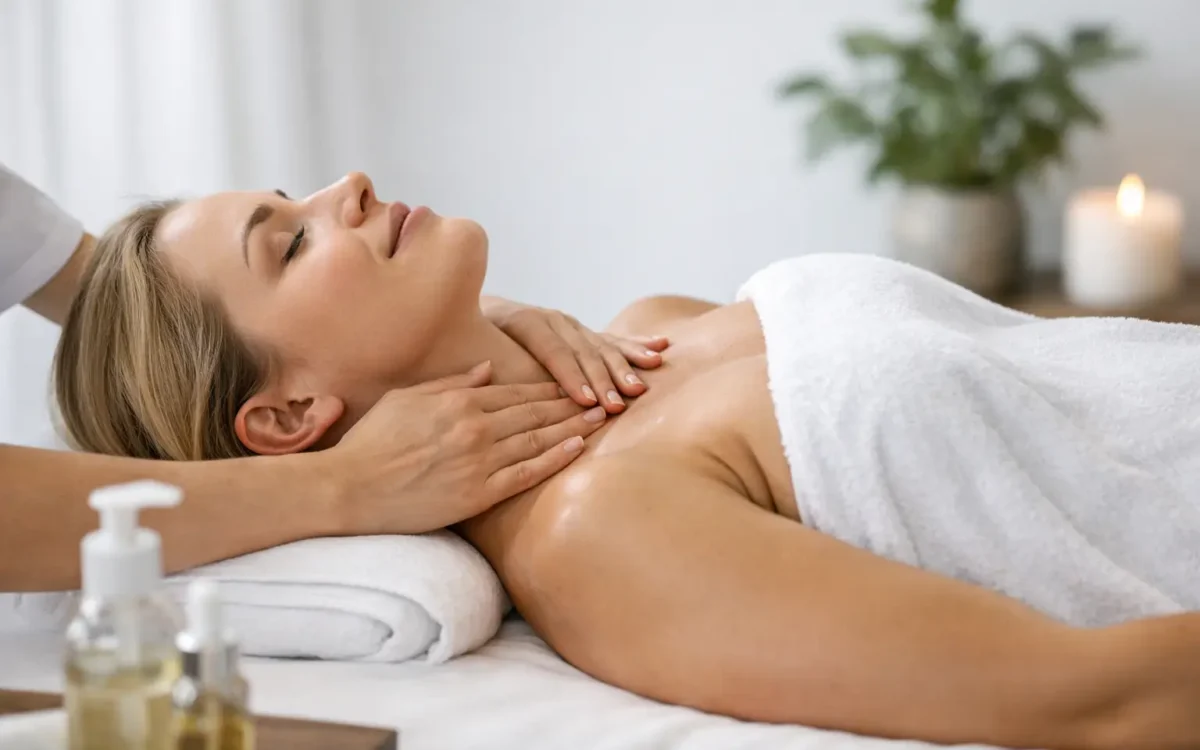
A puffy feeling that lingers after travel, surgery, an intense workout, or a long week at a desk can make your whole body feel off. Manual lymphatic drainage is a gentle, highly specialized form of bodywork designed to support the natural movement of lymphatic fluid, helping many people feel lighter, calmer, and more comfortable.
This manual lymphatic drainage guide explains what the treatment feels like, when it may be helpful, and why the lightest touch is often the most intentional. It is not a deep-tissue massage, and it should never feel like a painful attempt to force swelling away. The work follows the body’s lymphatic pathways with precise, rhythmic techniques tailored to your health history and goals.
What Is Manual Lymphatic Drainage?
The lymphatic system is part of the body’s natural fluid-management and immune-support network. It helps move excess fluid, cellular waste, and other materials through lymph vessels and lymph nodes so the body can process them. Unlike the circulatory system, which has the heart to keep blood moving, the lymphatic system relies heavily on movement, breathing, muscle activity, and the body’s own natural rhythms.
Manual lymphatic drainage, often called MLD, uses slow, skin-stretching strokes and gentle directional pressure to encourage lymph flow toward appropriate drainage areas. Because many lymph vessels sit close to the skin’s surface, deeper pressure is not better. A trained practitioner works with thoughtful sequencing, beginning by preparing central drainage regions before addressing areas that feel congested or swollen.
A session may be useful for people seeking support with temporary puffiness, post-exercise recovery, stress-related tension, or a sense of heaviness in the tissues. It is also commonly requested as part of a medically approved recovery plan after certain procedures. The right approach depends on the reason for treatment, your medical clearance, and the practitioner’s assessment.
What a Lymphatic Drainage Session Feels Like
If you expect a typical massage with firm kneading, MLD can be surprising. The pace is unhurried and the pressure is very light. Most clients describe the strokes as soothing, repetitive, and almost meditative. Some notice warmth, relaxation, a quieting of the nervous system, or a need to use the restroom after their session.
Your therapist may begin around the neck, collarbone, abdomen, or other key areas before working on the area of concern. This sequence matters. Supporting the body’s proximal pathways first can help create a more comfortable route for fluid movement from farther areas.
A personalized session does not have to be limited to one technique. Depending on your needs and clearance, gentle lymphatic work may be complemented by relaxation massage, positional release, or carefully selected therapeutic bodywork. However, these methods are not interchangeable. Deep pressure over sensitive, newly healing, or significantly swollen tissue may be inappropriate, which is why an individualized treatment plan matters.
Who May Benefit From Manual Lymphatic Drainage?
Many North Texas clients seek lymphatic work because they feel swollen, tired, tense, or slow to recover after changes in routine. Long drives, air travel, sedentary workdays, demanding training schedules, and periods of high stress can all leave the body feeling less comfortable. While MLD is not a cure-all, it can be a restorative addition to healthy habits and professionally guided care.
You may consider asking whether manual lymphatic drainage is appropriate if you are experiencing mild, temporary puffiness; want a gentle recovery-focused session after exercise; or are looking for calming bodywork that does not leave you sore the next day. Some clients also pursue it after cosmetic or medical procedures, but only with their surgeon’s guidance and at the appropriate stage of recovery.
For post-procedure care, experience and communication are especially important. The body is healing, and protocols can vary widely based on the procedure, timing, medications, incisions, compression garments, and individual healing progress. A qualified provider should request relevant instructions from your medical team and respect the boundaries of your recovery plan.
When to Wait and Speak With a Medical Provider
Lymphatic drainage is gentle, but gentle does not mean it is right for every situation. New or unexplained swelling deserves medical attention before bodywork. One-sided leg swelling, sudden swelling, redness, heat, severe pain, shortness of breath, chest pain, fever, or signs of infection should be evaluated promptly by a medical professional.
You should also check with your physician before scheduling MLD if you have active cancer treatment, a history or concern for blood clots, congestive heart failure, kidney disease, active infection, or uncontrolled medical conditions that affect fluid balance. In some cases, lymphatic work may be appropriate with medical clearance and specific modifications. In others, it should be postponed.
A skilled massage therapist does not diagnose medical conditions or replace medical care. The role of therapeutic bodywork is to provide supportive, client-centered care within an appropriate scope of practice. Being open about your health history is one of the best ways to receive a safe, effective session.
How to Prepare for Your Appointment
There is no complicated ritual required before MLD, but a few simple choices can make the session more comfortable. Arrive hydrated, wear clothing that is easy to change out of, and avoid scheduling immediately after a heavy meal if abdominal work may be included. Bring any post-procedure instructions, clearance notes, or compression guidance that your physician has provided.
During your intake, be specific about what you are feeling. Mention when swelling began, whether it changes throughout the day, recent travel or exercise, procedures, medications, injuries, and areas that feel tender. Also share your goals. Are you hoping to feel more comfortable in your body, support recovery, reduce stress, or establish a regular wellness routine? The details help shape a session that serves you rather than following a one-size-fits-all script.
Afterward, give yourself room to rest. Gentle walking, normal hydration, and comfortable movement can be supportive. Avoid judging the outcome solely by an immediate visual change. Some clients notice a difference quickly, while others experience a gradual shift in comfort, relaxation, or tissue sensitivity over several sessions.
How Often Should You Schedule MLD?
The answer depends on why you are receiving it. For general wellness, occasional sessions may be enough to complement an active lifestyle, stress-management practices, and regular massage. For a time-sensitive recovery plan, your care team may recommend a different schedule based on your procedure and healing stage.
Consistency can be helpful, but more is not automatically better. Your body needs time to respond, and the best schedule should fit your symptoms, budget, medical guidance, and overall treatment plan. At Golden Healing, the focus is on listening to your body and building care around your goals, whether that means a single restorative appointment or a thoughtfully paced series of sessions.
Supporting Your Lymphatic System Between Sessions
Professional MLD works best as part of everyday care, not as a replacement for it. Regular movement, comfortable diaphragmatic breathing, quality sleep, hydration, and avoiding long periods in the same position all support the body’s natural circulation and fluid movement. If you sit for work, brief walking breaks and ankle movement can make a meaningful difference over the course of a day.
Be cautious with aggressive self-massage videos or tools, especially after surgery or when swelling is persistent. The lymphatic system responds to light, directional technique, and pushing hard on tender tissue can create more irritation rather than relief. When in doubt, ask a trained provider to show you safe, simple strategies based on your individual circumstances.
The most valuable part of lymphatic care is often the opportunity to slow down and notice what your body has been carrying. With informed guidance, gentle touch, and a plan that respects your health needs, recovery can feel less like something to push through and more like something you are allowed to support.
Popular Posts