Best Massage for Muscle Knots That Works
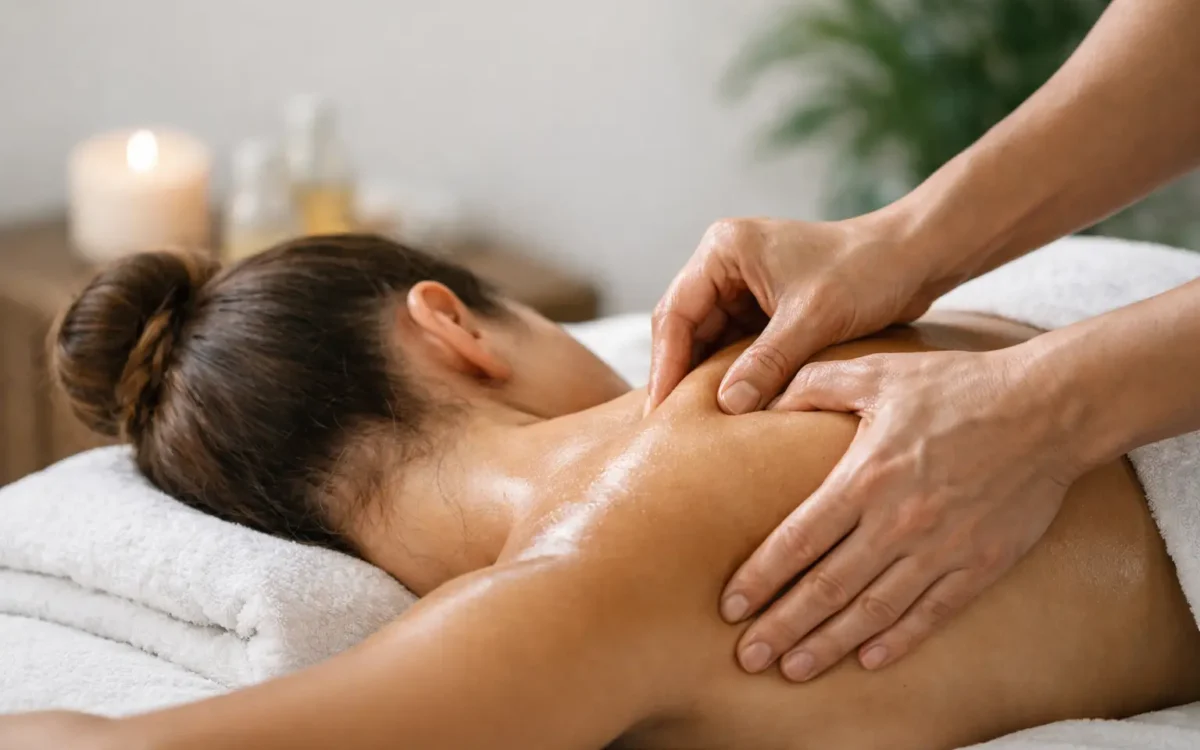
That tight, tender spot between your shoulder blade and spine may feel like a simple muscle knot, but it can affect far more than one small area. It may change how you turn your head, reach overhead, sleep, exercise, or sit at your desk. The best massage for muscle knots is rarely one aggressive technique applied everywhere. It is a personalized treatment that identifies which tissues are irritated, what is keeping them guarded, and how much pressure your body can use productively.
A knot is not always a literal knot in the muscle. It is often a sensitive, contracted area of muscle and connective tissue that has become overworked, underused, stressed, or held in the same position for too long. Skilled massage can help calm that protective tension, improve comfort, and restore easier movement without leaving you feeling bruised and depleted.
Is Deep Tissue the Best Massage for Muscle Knots?
Deep tissue massage is often the first answer people hear when they ask about stubborn knots. It can be very helpful, especially for dense tension in the upper back, hips, glutes, calves, and shoulders. Slow, focused pressure can reach deeper layers of muscle and fascia, helping the therapist work with areas that do not respond to a light relaxation massage.
But deeper does not automatically mean better. If a muscle is already highly reactive, intense pressure can cause it to brace even more. You may feel temporarily sore after effective therapeutic work, yet severe pain during a session is not a requirement for progress. The right pressure feels purposeful and tolerable, with enough communication that your body can relax rather than defend itself.
For many clients, the most effective approach blends deep tissue work with gentler techniques. Warming the surrounding muscles first, addressing posture-related strain, and using targeted trigger point work can be more productive than trying to force a tight spot to release.
Trigger Point Therapy for Localized Tenderness
A trigger point is an especially sensitive area within a tight muscle that may refer discomfort somewhere else. A point in the upper trapezius, for example, can contribute to neck tension or a headache pattern. A tight gluteal muscle may send discomfort down the leg or make the low back feel overworked.
Trigger point therapy uses sustained, measured pressure and careful release to address these specific areas. The therapist may hold a point briefly, then encourage gentle movement or work into related muscles. This is often one of the best massage techniques for muscle knots when you can identify a distinct tender spot, but it should be used thoughtfully. A good session treats the pattern around the point, not just the point itself.
Positional Release for Guarded Muscles
Sometimes a muscle knot is less about weakness or adhesions and more about a nervous system that will not allow the area to let go. Positional release work places the body or a joint in a comfortable position that shortens and softens the guarded tissue. The technique is gentle, but it can create a surprisingly meaningful change in mobility and pain sensitivity.
This approach can be especially useful for clients who are sensitive to deep pressure, recovering from strain, or dealing with chronic neck, low-back, or hip tension. It is also a valuable complement to deeper massage because it gives the body a chance to accept the release instead of resisting it.
Why Muscle Knots Keep Coming Back
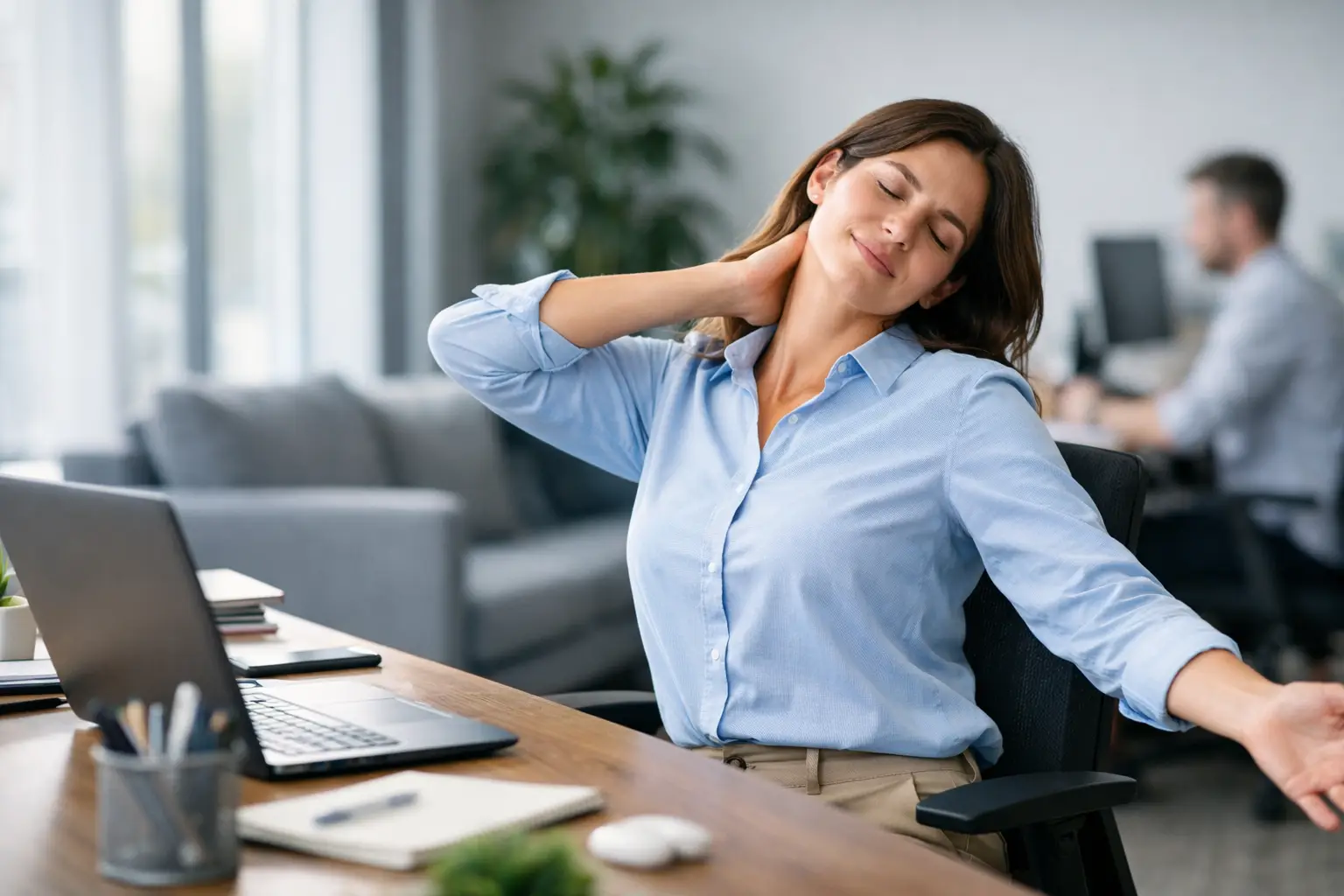
A massage can bring welcome relief, but recurring knots usually have a recurring cause. Long hours at a computer, a one-sided carrying habit, repetitive workouts, poor recovery, stress, dehydration, and limited movement can all contribute. Even a favorite sleeping position can keep the neck or shoulder in a state of low-grade irritation night after night.
Posture matters, but it is not about forcing yourself into one rigid “perfect” position. Bodies benefit from variety. If your work requires sitting, standing, driving, lifting, or looking down at a screen for long periods, the goal is to reduce strain through better setup, more frequent movement, and bodywork that addresses the areas taking on too much of the load.
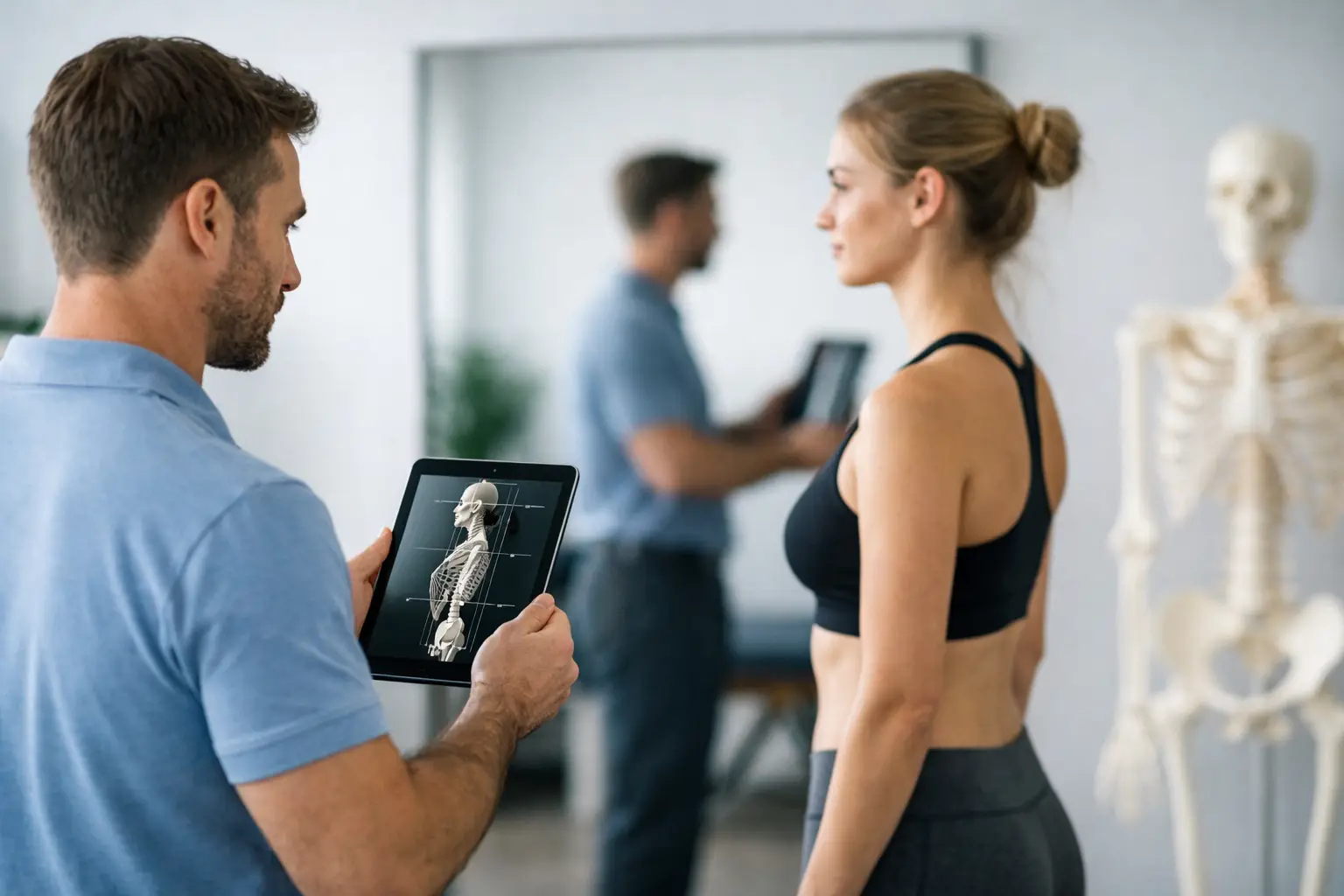
A thorough posture and body assessment can reveal patterns that are easy to miss on your own. A forward head position may leave the neck muscles working overtime. Restricted hip movement can shift demand into the low back. Uneven weight distribution can make one shoulder, calf, or glute feel like it is always tight. Addressing those patterns gives massage results a better chance of lasting.
The Best Massage for Muscle Knots Depends on the Pattern
There is no single treatment that suits every knot. The location, duration, sensitivity, daily activities, and your health history all matter. A customized therapeutic massage may combine several methods during one session.
For desk-related neck and shoulder tension, slower deep tissue techniques, trigger point therapy, and gentle work around the chest, jaw, and upper back may be useful. The shoulder that hurts is not always the only area contributing to the problem.
For active adults with tight glutes, hamstrings, calves, or hip flexors, focused massage can support recovery and range of motion. Treatment may include broad compression, specific deeper work, stretching, and attention to the feet and lower legs. Reflexology may also be a calming addition for clients whose feet carry the effects of long days on hard surfaces.
For puffiness, a heavy feeling in the limbs, or recovery needs that include swelling, lymphatic drainage is different from deep tissue massage. It uses light, rhythmic techniques designed to support lymph flow. It is not meant to break up knots, yet it may be an appropriate part of a broader care plan when fluid retention or post-procedure recovery is a factor. The correct modality should always match your specific needs and medical guidance.
At Golden Healing in Argyle, each session can be tailored to the body in front of the therapist that day. Some visits call for focused corrective work. Others call for a blend of therapeutic attention and deeply restorative relaxation. Both have value when the goal is to help your body feel safer, freer, and more balanced.
What a Productive Session Should Feel Like
Effective work on muscle knots should feel collaborative. Your therapist should ask about your symptoms, activities, injury history, and pressure preferences. During the massage, you should be able to breathe normally and communicate if an area feels too sharp, too intense, numb, or uncomfortable in a way that does not feel productive.
Afterward, many people notice easier movement, less pulling, and a calmer feeling in the treated area. Mild tenderness can occur, particularly after deeper work on chronic tension. Drinking water, taking an easy walk, and avoiding an unusually strenuous workout for the rest of the day can help you gauge how your body responds.
One session may make a meaningful difference, but long-standing patterns often improve more steadily with a treatment plan. Spacing sessions based on your goals and response allows the work to build without overwhelming the tissues.
When to Pause and Seek Medical Advice
Massage is valuable for many common tension patterns, but it is not the right first step for every kind of pain. Seek medical evaluation for sudden or severe pain, unexplained swelling, redness or heat, fever, numbness, progressive weakness, a recent fracture, or pain following a significant accident. Chest pain, shortness of breath, or symptoms that may indicate a blood clot require urgent medical care.
Be sure to share any health conditions, medications, recent surgery, pregnancy, cancer history, circulation concerns, or active inflammation with your massage therapist. A trained practitioner can adapt the session, postpone certain techniques, or recommend that you receive clearance from your healthcare provider when needed.
Help Your Results Last Between Appointments
The small choices after massage matter. Instead of stretching aggressively into a sore area, choose comfortable movement. A short walk, gentle shoulder rolls, easy hip mobility, or a few moments away from your desk can keep the body from returning immediately to the same holding pattern.
Notice the moments when tension appears. Does your shoulder creep toward your ear during emails? Do your calves tighten after long drives? Does your low back ache after standing in the kitchen? Those details help shape a more useful treatment plan and give you practical opportunities to change the pattern.
Relief does not have to come from enduring more pressure than your body wants. The most helpful massage meets your muscles with skilled attention, gives them a reason to soften, and supports the kind of movement that lets that relief stay with you.
Popular Posts