What Lymphatic Drainage Massage Can Support
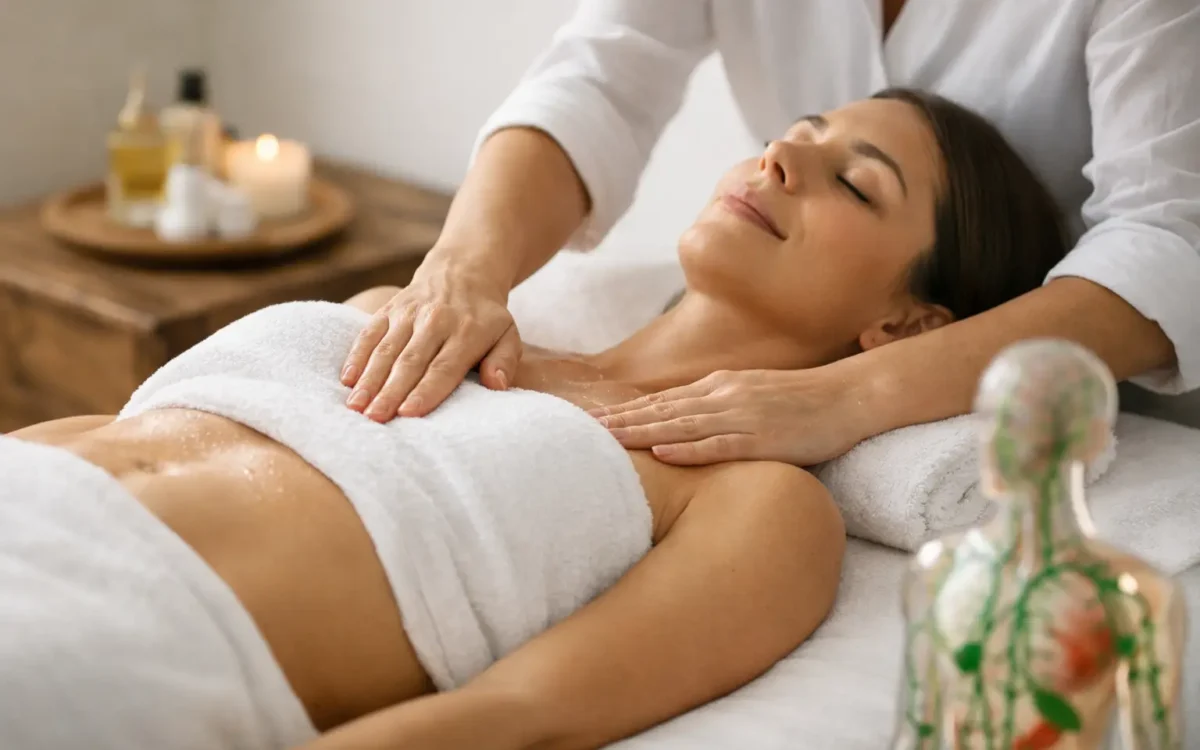
When your body feels puffy, heavy, sore, or slower to recover than usual, more pressure is not always the answer. Lymphatic drainage massage uses exceptionally light, intentional touch to support the natural movement of lymph fluid, creating a treatment that can feel deeply calming while serving a very specific therapeutic purpose.
For many North Texas clients, this work is especially appealing after travel, periods of inactivity, demanding workouts, surgery with medical clearance, or weeks of stress that leave the body feeling congested and uncomfortable. It is not a deep-tissue massage, and it should not feel like one. The goal is gentle support for a system that works close to the surface of the skin.
How Lymphatic Drainage Massage Works
The lymphatic system is part of the body’s immune and fluid-balance network. It helps move excess fluid, proteins, and cellular waste from tissues toward lymph nodes, where the body can process them. Unlike the circulatory system, which has the heart to keep blood moving, the lymphatic system depends largely on body movement, breathing, muscle activity, and the natural rhythm of the vessels themselves.
That is why long hours at a desk, limited movement during travel, physical stress, and recovery periods can leave some people feeling swollen or sluggish. Lymphatic drainage massage uses slow, rhythmic strokes and gentle directional techniques designed to encourage fluid toward appropriate drainage pathways. A qualified therapist works with anatomy, not force.
The sensation often surprises first-time clients. Rather than the strong pressure associated with knot-focused massage, the touch is soft and measured. Many people become so relaxed that they drift off during the session. Others notice a sense of lightness, easier movement, or a need to hydrate and rest afterward.
This approach is sometimes casually described as a “detox” massage, but that language can be misleading. Your liver, kidneys, lungs, skin, and digestive system already perform the vital work of processing and eliminating waste. Massage does not replace those functions or cure illness. What it can do is support healthy fluid movement, relaxation, and recovery when it is appropriate for your body and health history.
When Gentle Lymphatic Support May Help
A personalized session can be a thoughtful option for adults who experience mild, non-medical puffiness, temporary fluid retention, or a sense of heaviness after sitting, standing, or traveling for extended periods. Active clients may also appreciate the gentle nature of this work when their bodies need recovery support without more intense muscular pressure.
It can also complement a broader wellness plan for people managing stress and tension. Stress affects more than mood. It can change breathing patterns, sleep quality, movement habits, and the way the body holds muscle tension. While lymphatic work is not a substitute for medical care, its quiet pace gives the nervous system room to settle. That calm can be as valuable as the physical treatment itself.
Post-surgical care is another common reason people ask about lymphatic techniques. Here, details matter. Timing, procedure type, healing status, medications, compression garments, and the surgeon’s instructions all influence whether massage is appropriate. A specialized therapist should never guess or use a one-size-fits-all approach. Medical clearance and a treatment plan aligned with your provider’s recommendations come first.
For some clients, the best session is not purely lymphatic. Gentle lymphatic work may be paired with relaxation massage, positional release, reflexology, or focused work for areas that are holding tension. The right combination depends on your goals that day: less swelling, easier movement, nervous-system rest, or more comfortable recovery.
What a Session May Feel Like
A lymphatic session begins with a conversation about your goals, symptoms, medical history, and recent changes in your health. This is more than a formality. Swelling can have many causes, and a skilled practitioner needs to know when massage is suitable and when a referral to a medical provider is the safer choice.
During treatment, the therapist may begin around the neck, collarbone area, abdomen, or other central regions before working on the arms, legs, or areas of concern. The sequence is purposeful. Preparing central pathways before addressing more distant areas can help support the intended flow of the session.
You should expect light pressure, slow repetition, and a steady pace. Some areas may feel tender if they are already sensitive, but pain is not the goal. Speak up if anything feels uncomfortable, especially after a recent procedure. A therapeutic session should feel attentive, safe, and tailored to you.
Afterward, many clients feel relaxed and may notice they need to use the restroom more often. Drinking water, taking an easy walk if you feel up to it, and giving yourself a quieter evening can support a comfortable response. Avoid treating one session as a quick fix. Depending on the reason for care, a series of sessions or a broader plan may be more helpful than a single appointment.
When Lymphatic Drainage Massage Is Not Appropriate
Gentle does not mean risk-free. Because this treatment influences fluid movement, there are circumstances where it should be postponed or performed only with direct medical guidance. An experienced therapist will ask questions and may decline treatment when that protects your health.
Avoid booking lymphatic work when you have a fever, an active infection, unexplained swelling, or a suspected blood clot. New swelling in one leg, sudden pain, warmth, redness, shortness of breath, or chest pain needs urgent medical evaluation, not massage. Likewise, people with congestive heart failure, significant kidney disease, uncontrolled thyroid conditions, active cancer treatment, or certain vascular concerns should consult their medical provider before scheduling.
If you have been diagnosed with lymphedema or have had lymph nodes removed, seek a provider with appropriate advanced training and coordinate care with your medical team. Lymphedema management can involve specialized protocols, compression, exercise, skin care, and clinical oversight. It deserves individualized attention rather than a generic spa service.
Choosing Care That Looks at the Whole Body
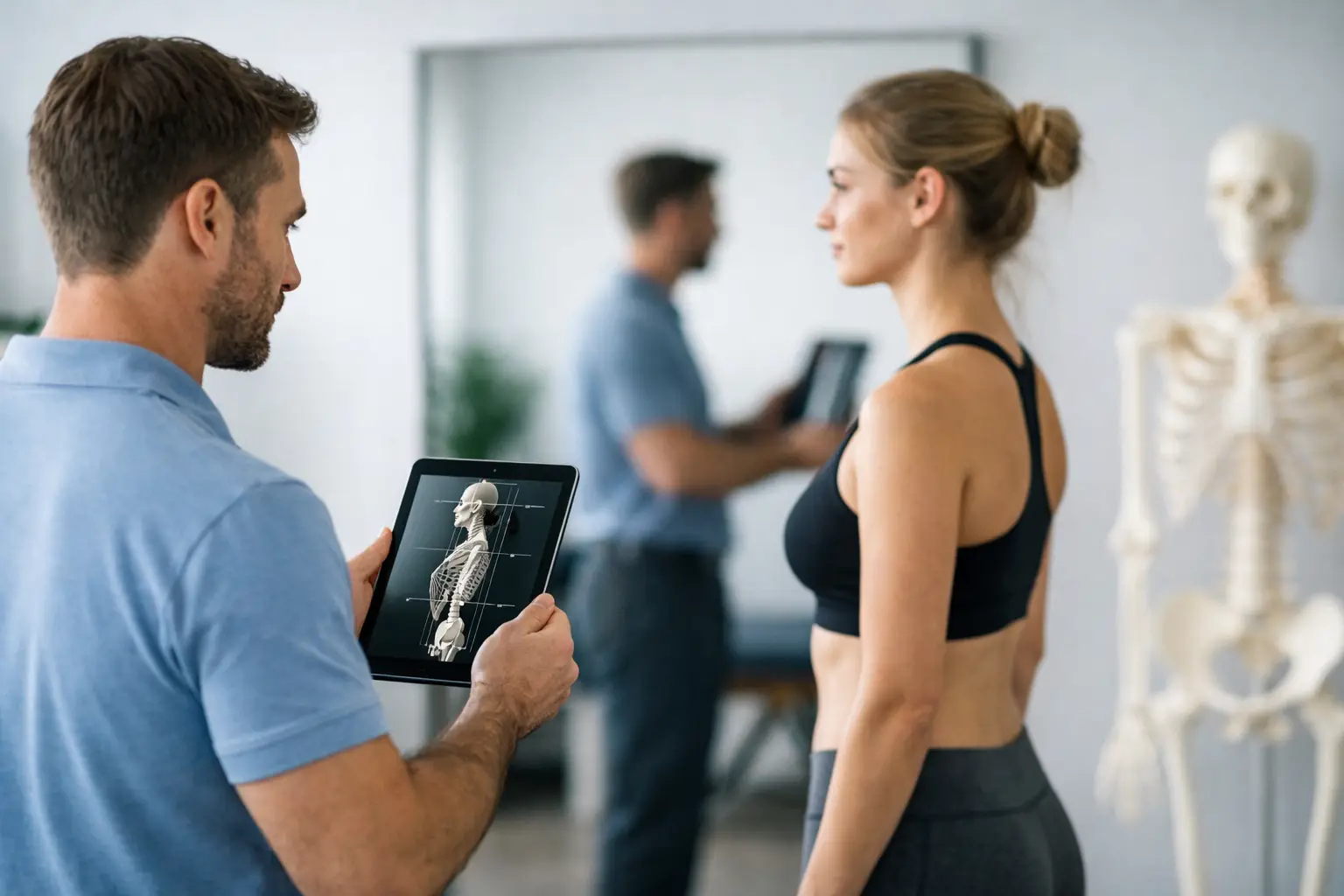
The most effective bodywork begins with listening. A person whose ankles feel puffy after a flight may need something very different from someone recovering from a cosmetic procedure, dealing with chronic postural strain, or seeking a gentler alternative to a heavy-pressure massage.
At Golden Healing, sessions are led by an experienced licensed massage therapist and certified lymphatic drainage specialist who considers both immediate comfort and the patterns that may be contributing to it. If restricted movement, shallow breathing, muscular guarding, or postural habits are part of the picture, your treatment can be shaped around the whole body rather than one symptom alone.
That personalization matters because lymphatic drainage is not about applying the same strokes to every client. It is about choosing the right pace, pressure, areas of focus, and complementary techniques for the person on the table. Sometimes the best therapeutic choice is gentle lymphatic work. Sometimes it is focused muscular treatment, restorative relaxation, or a conversation about getting medical clearance first.
If your body has been asking for a softer kind of support, listen to that signal. A thoughtful, professionally guided session can offer a quiet place to rest, recover, and reconnect with how your body feels when it is given the care it needs.
Popular Posts