10 Top Signs of Poor Posture You Should Notice

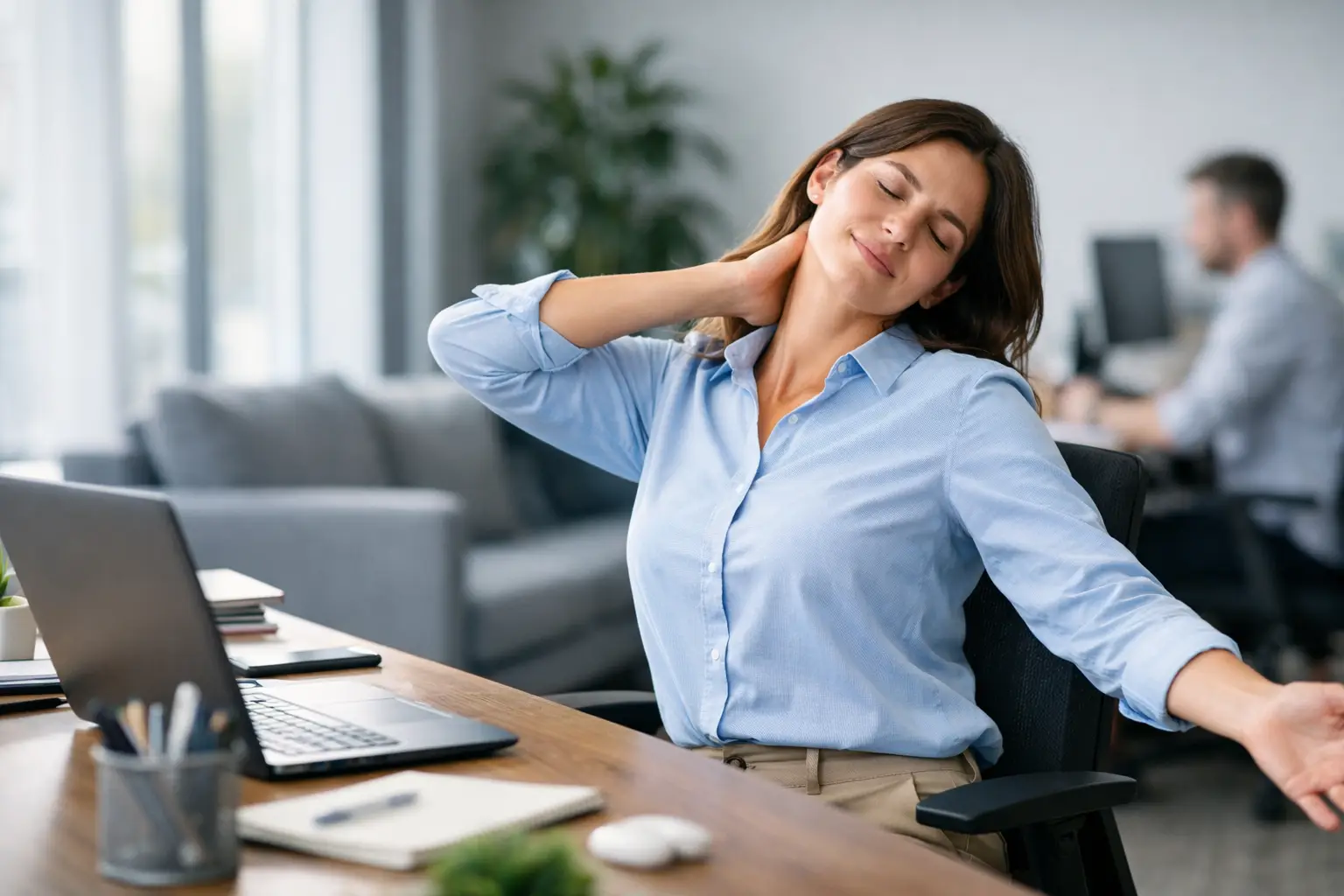
Your body often gives quiet clues long before discomfort becomes a daily distraction. The top signs of poor posture are not always dramatic. They may show up as the neck stiffness you blame on your pillow, a shoulder that feels tight after a workday, or the low-back ache that returns after a long drive.
Posture is not about forcing yourself into a rigid, picture-perfect position. It is about how well your body is supported and balanced as you sit, stand, move, work, and rest. When certain muscles are constantly overworking while others are not doing their share, tension can build and movement may begin to feel less natural.
What Poor Posture Can Look and Feel Like
Everyone has preferred positions, old injuries, work habits, and activity patterns that shape how they hold their body. A little slouching on the couch is not automatically a problem. The concern is a repeated pattern that leaves you feeling tight, fatigued, limited, or uneven.
1. Your head sits forward of your shoulders
A forward head position is common among people who spend hours looking at laptops, phones, steering wheels, or workstations. Instead of the ears resting roughly over the shoulders, the head drifts forward. The muscles at the back of the neck and upper shoulders then work harder to support its weight.
You may notice frequent neck tension, headaches that seem to begin at the base of the skull, or a persistent urge to rub the tops of your shoulders. This pattern can also make deep breathing feel less effortless because the chest and upper back may become less mobile.
2. One shoulder appears higher than the other
Shoulders are not always perfectly level, and minor differences are common. But a noticeable or recurring unevenness can be a useful clue, especially when it comes with discomfort on one side. Carrying a bag on the same shoulder, favoring one side while working, old injuries, and muscular guarding can all contribute.
A posture-focused assessment can look beyond the shoulder itself. The source may involve the neck, rib cage, spine, pelvis, feet, or the way you distribute weight when standing. This is why simply trying to pull the lower shoulder up is rarely a lasting answer.
3. Your upper back feels rounded and your chest feels tight
Rounded shoulders often travel with a slightly collapsed chest and a more curved upper back. This may be most obvious when you are tired or concentrating. You may catch yourself leaning toward a screen, folding inward while scrolling, or feeling as if it takes effort to stand tall.
The issue is not that your upper back should be flat. Its natural curve matters. The goal is comfortable mobility and a position your body can maintain without strain. Tight chest muscles, underused upper-back muscles, and limited thoracic spine movement can all play a role.
4. You have recurring low-back tightness after sitting or standing
Low-back discomfort has many possible causes, so posture is only one piece of the picture. Still, if your back becomes achy after a desk day, a long commute, or extended standing, it is worth noticing how your pelvis and rib cage are positioned.
Some people tip the pelvis forward and exaggerate the low-back curve. Others tuck the pelvis under and flatten the natural curve. Neither pattern is universally bad at every moment, but being held in one position for too long can create fatigue. A body that can shift, walk, bend, and recover comfortably usually needs less forceful correction.
5. Your hips, glutes, or hamstrings always feel tight
Persistent tightness around the hips is one of the most common signs that your movement habits deserve a closer look. Long periods of sitting can leave the front of the hips feeling restricted, while the glutes may feel inactive or tense. Hamstrings can also feel tight when they are working to stabilize a pelvis that is not moving efficiently.
Stretching may bring temporary relief, but it does not always address why the area is guarding in the first place. Personalized massage therapy, positional release work, and targeted movement guidance may be more helpful when the goal is to restore ease rather than repeatedly chase the same tight spot.
6. Your weight consistently shifts to one leg
Do you relax into one hip while waiting in line? Do one foot, knee, or hip feel more tired after standing? Favoring one side is a common habit, particularly after injury or during periods of stress and fatigue.
Over time, that habit can ask one side of the body to do more stabilizing than the other. You may notice one hip hiking up, one knee locking, or one side of the low back becoming more sensitive. The answer is not to stand perfectly still and symmetrical all day. It is to build awareness and give your body more options for balanced movement.
7. You feel tension between the shoulder blades
That familiar knot between the shoulder blades is not always located where the problem began. It can develop when the upper-back muscles are constantly trying to counter a forward head, rounded shoulders, shallow breathing, or an unsupported work position.
Trigger point treatment and therapeutic massage can help calm sensitive, overworked tissue. But lasting comfort often depends on pairing hands-on care with realistic changes, such as adjusting screen height, taking short movement breaks, or changing how you support your arms while seated.
8. You have frequent jaw tension or tension headaches
Jaw clenching, temple pressure, and headaches can have many contributors, including stress, sleep, dental concerns, dehydration, and medical conditions. Postural strain may also be part of the story, particularly when neck and shoulder tension are present.
When the head habitually moves forward, the muscles around the neck, jaw, and upper back may remain on alert. Gentle therapeutic work can support relaxation in these connected areas. Persistent, severe, sudden, or changing headaches should always be discussed with an appropriate medical professional.
9. Your shoes wear down unevenly
Uneven shoe wear does not diagnose a posture problem, but it can be an interesting observation. A worn outer heel, one sole that breaks down faster, or repeated discomfort in one foot may reflect how you load your body while walking and standing.
Feet are the foundation of posture, but they are not the only factor. An imbalance higher in the body can influence the feet, and foot discomfort can encourage compensations in the knees, hips, and low back. A whole-body view is more useful than focusing on one area alone.
10. You feel worse after ordinary daily activities
The clearest signal may be how your body responds to normal life. If light chores, computer work, driving, cooking, or a casual walk routinely leave you feeling sore, compressed, or exhausted, your posture and movement patterns may be contributing to the load.
This does not mean you are weak or doing everything wrong. It means your body may be asking for better support, improved mobility, and care that is tailored to how you actually live.
Why “Sit Up Straight” Is Not Enough
Trying to hold yourself rigidly upright can create more tension, especially if you are already sore. Healthy posture is dynamic. Your body benefits from changing positions, using supportive strength, breathing fully, and moving often enough that no one group of muscles has to stay switched on all day.
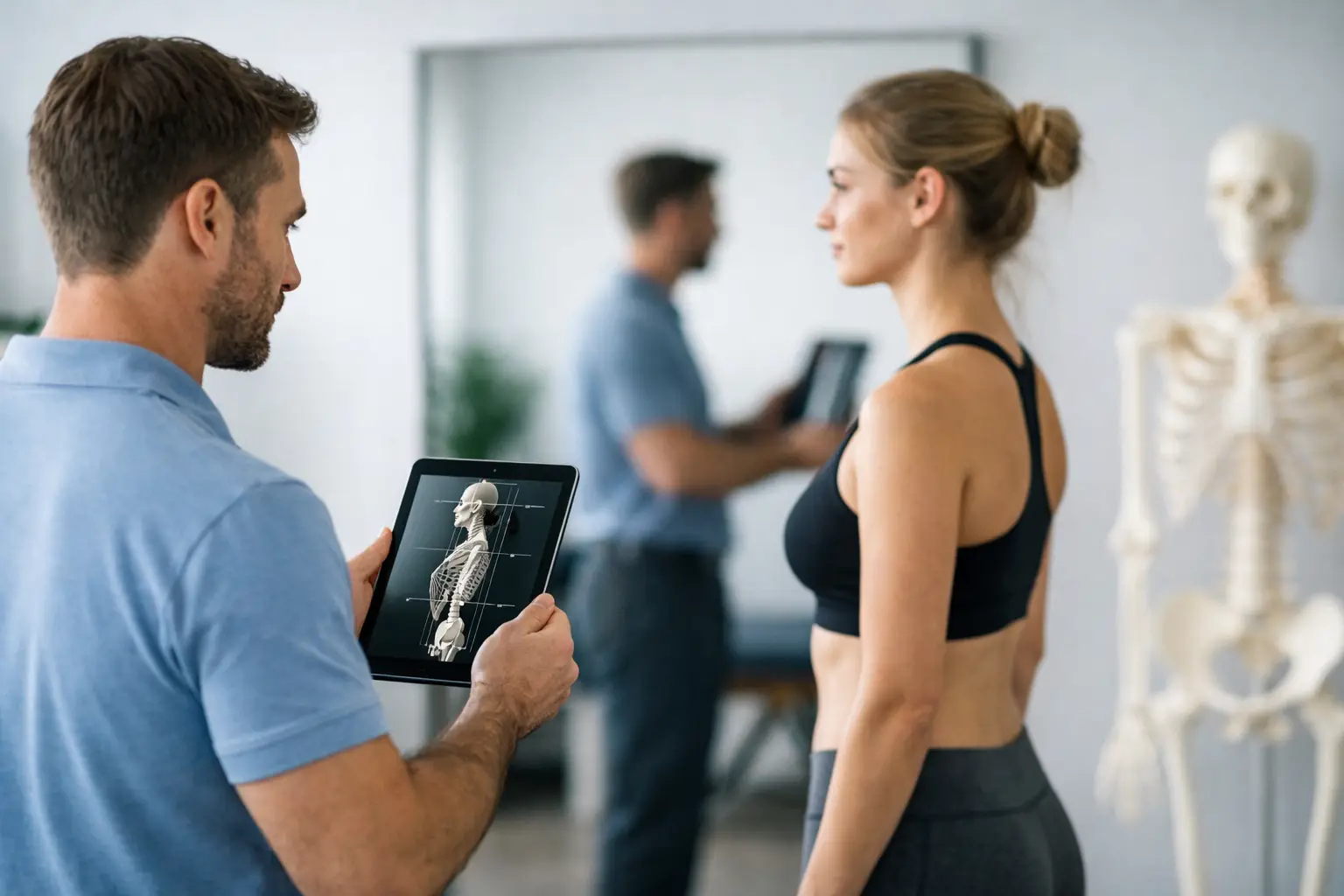
For some people, a workspace adjustment creates meaningful relief. For others, an old injury, scar tissue, stress pattern, or movement compensation needs a more individualized approach. This is where a posture assessment can be valuable. It can reveal patterns that are difficult to see in a mirror and help guide bodywork toward the areas most in need of support.
At Golden Healing in Argyle, therapeutic massage can be paired with posture and body analysis, trigger point treatment, positional release work, and other recovery-focused techniques based on your needs. The intention is not to force your body into a single ideal shape. It is to help you move with greater comfort, balance, and confidence.
When to Seek Medical Care First
Bodywork can be a supportive part of a wellness plan, but it is not a substitute for medical evaluation. Seek prompt medical attention for severe pain after an injury, numbness or weakness, new loss of balance, unexplained swelling, bowel or bladder changes, chest pain, or pain that is rapidly worsening.
For ongoing aches without urgent symptoms, paying attention to the top signs of poor posture can be a compassionate first step. Your body is not asking for perfection. It is asking to be heard, supported, and given a chance to feel at home in its own movement again.
Popular Posts