Pain Relief Massage Benefits That Last Beyond the Table

A tight neck that returns every workday, a low back that protests after a short drive, or sore legs that never seem to recover can make relaxation feel like a distant idea. The most meaningful pain relief massage benefits go beyond feeling good for an hour. With thoughtful, customized bodywork, massage can help calm overworked tissues, improve comfortable movement, and give the nervous system room to settle.
For many people, the difference is not simply more pressure. It is receiving the right kind of pressure, in the right area, at the right time. A therapeutic session should meet your body where it is that day, whether you are carrying stress in your shoulders, recovering from activity, managing swelling, or noticing that posture is affecting how you move.
How Pain Relief Massage Benefits the Body
Pain is rarely only about one tight muscle. A protective response can begin after repetitive desk work, a demanding workout, an old injury, poor sleep, prolonged stress, or a change in daily activity. Muscles may brace, nearby areas may compensate, and normal movements can gradually become uncomfortable.
Massage therapy works with the soft tissues that support movement, including muscles and connective tissue. Skilled hands-on work can encourage tense areas to relax, bring awareness to patterns of holding, and help restore a sense of ease in the body. Many clients notice that they can turn their head more freely, stand more comfortably, or move through daily tasks with less guarding after a session.
The response is personal. Someone with fresh soreness after gardening may need a gentler approach than someone with long-standing upper-back tension. Deep pressure is not automatically better, especially when tissue is irritated or the nervous system is already on high alert. Effective therapeutic massage is responsive rather than forceful.
Relief for muscular tension and trigger points
Muscles often become tender because they have been asked to do too much for too long. Trigger points, commonly described as tight, sensitive spots within a muscle, can contribute to discomfort in the same area or refer sensation elsewhere. For example, tension around the upper shoulders may be part of a headache pattern, while tight hip muscles can influence the way the low back feels.
Focused trigger point treatment and positional release work can help reduce that protective tension without turning the session into an endurance test. The goal is to invite a change in the tissue and nervous system, not to push through pain. Clients may experience a welcome softening during treatment and improved comfort over the following day or two.
Better mobility for everyday movement
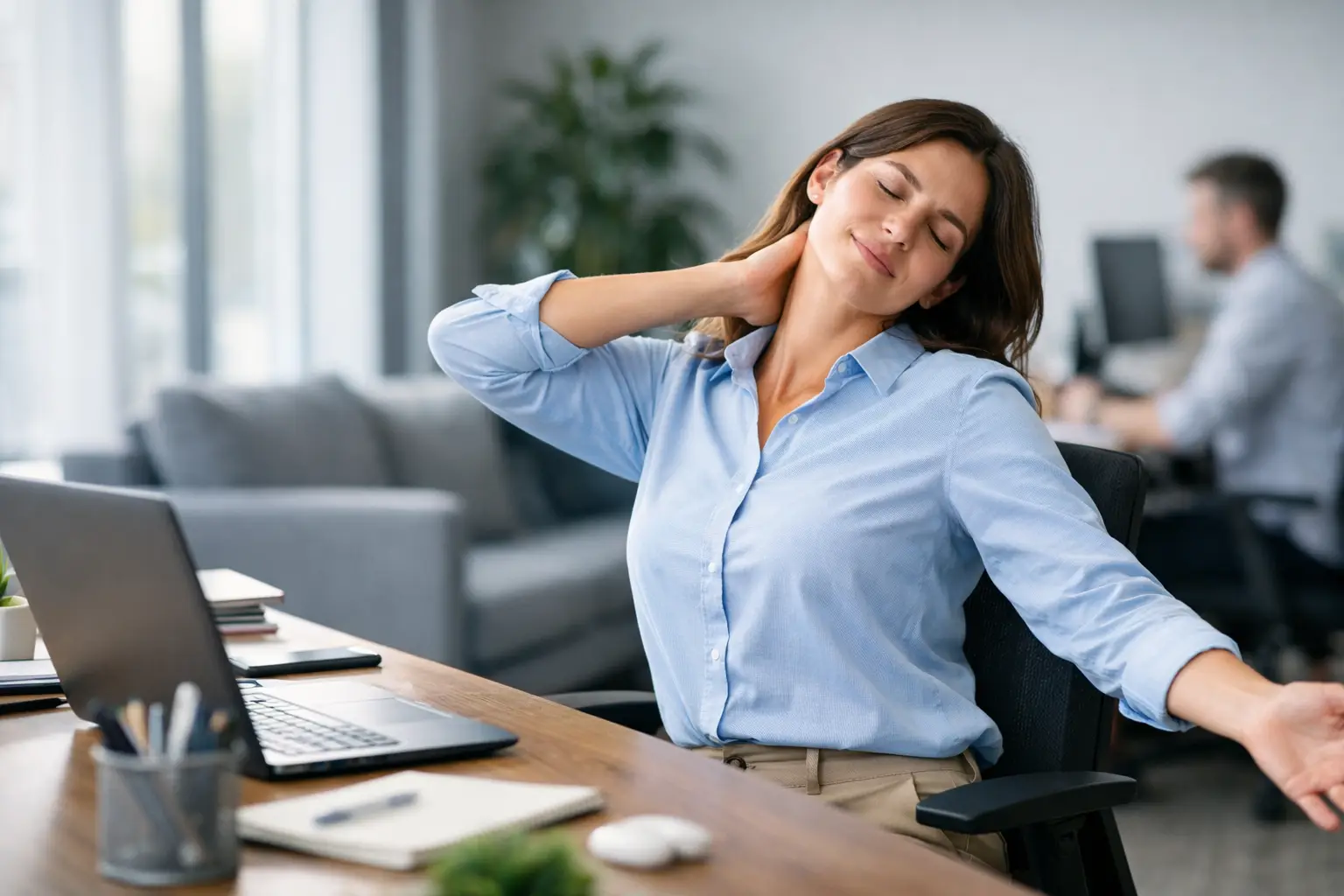
When pain makes you avoid movement, stiffness can build quickly. Massage may support mobility by easing muscle guarding and helping the body move through a more comfortable range. This can matter for active adults returning to exercise, professionals who spend hours at a computer, and anyone who notices that routine bending, reaching, or walking feels restricted.
Massage is most helpful when it supports, rather than replaces, healthy movement. Your therapist may identify patterns that make a certain area work harder than it should. Posture-focused assessment and 3D body analysis can add useful context by showing how your body is organizing itself in standing and movement. That information can guide a more personalized treatment plan and help you make practical adjustments between appointments.
Massage Can Calm the Stress-Pain Cycle
Stress does not stay only in the mind. It can show up as a clenched jaw, shallow breathing, raised shoulders, poor sleep, digestive upset, and a body that never fully feels off duty. When the nervous system remains in a state of alert, even ordinary muscle tension may feel more intense.
A calm, attentive massage environment gives the body an opportunity to shift gears. Slower therapeutic strokes, comfortable positioning, and intentional breathing can support the relaxation response. People often leave feeling lighter not because their responsibilities disappeared, but because their body has stopped bracing against them for a while.
This is one reason massage can be valuable for recurring tension patterns. Pain relief is not always a single-session event. Regular care may help interrupt the cycle of stress, tightness, poor sleep, and more pain before it becomes the body’s default setting.
Recovery Looks Different for Every Body
After a hard workout, a long weekend of travel, or weeks of physically demanding work, the body may need support that is restorative rather than intense. Massage can be part of a recovery routine by reducing the feeling of heaviness, easing post-activity soreness, and helping clients reconnect with areas that feel overworked.
Timing matters. A strong, deep treatment immediately after an intense event is not right for everyone, particularly if there is acute inflammation, bruising, or unusual pain. A therapist can adjust the session toward gentle circulation-focused work, relaxation, or carefully targeted techniques based on your current condition.
For clients experiencing puffiness or fluid retention, specialized lymphatic drainage may be appropriate when performed by a properly trained practitioner. This gentle modality is different from deep-tissue massage. It is designed to support lymph flow and can be especially valuable within an individualized wellness or post-procedure plan when medically appropriate.
Why Personalization Matters More Than a Standard Massage
A familiar routine can feel relaxing, but it may not address why the same discomfort keeps returning. Therapeutic bodywork begins with listening: where you feel pain, what aggravates it, what has changed recently, how you sleep, how you work, and what activities matter most to you.
At Golden Healing, treatment may blend customized massage therapy with reflexology, trigger point work, positional release, lymphatic techniques, or posture-informed care. The specific combination depends on your goals and what your body needs, not on a one-size-fits-all sequence.
That distinction can be especially meaningful for clients who have tried conventional relaxation massage and wanted more functional support. A soothing session and a clinically informed session do not have to be opposites. You can receive calming care while still working intentionally toward less tension, better movement, and a more balanced relationship with your body.
What to expect after a therapeutic session
Many clients feel relaxed, looser, and more comfortable right away. Others notice the greatest change the next day, once the body has had time to integrate the work. Mild tenderness can occur after focused treatment, particularly if an area has been chronically tight or sensitive, but a session should not leave you feeling beaten up.
Hydration, gentle walking, comfortable movement, and a restful evening can help support recovery after massage. Pay attention to how your body responds. Useful feedback includes whether you slept better, moved more easily, had fewer headaches, or noticed that a familiar activity caused less discomfort. These details help shape future sessions.
When Massage Needs a Medical Conversation First
Massage therapy can be a valuable complement to medical care, but it is not a substitute for diagnosis or emergency treatment. New severe pain, unexplained swelling, fever, numbness, weakness, chest pain, shortness of breath, or pain following a significant injury deserves prompt medical evaluation.
It is also wise to tell your therapist about recent surgery, pregnancy, blood thinners, cancer treatment, osteoporosis, circulatory conditions, skin concerns, or any physician-directed restrictions. In some cases, techniques need to be modified, postponed, or coordinated with your healthcare team. Clear communication keeps bodywork both more comfortable and more appropriate.
Making Relief Part of a Longer Plan
One excellent massage can create noticeable relief, but lasting change often comes from consistency. The right frequency depends on your symptoms, activity level, stress load, and goals. Some people benefit from a short series of closer appointments when tension is persistent, then transition to maintenance care. Others schedule around athletic training, travel, or demanding seasons at work.
Between sessions, small habits can protect the progress you feel on the table. Change positions during long workdays, take a brief walk, adjust a workstation, use gentle mobility practices, and notice when you begin holding your breath or lifting your shoulders. These are not dramatic fixes. They are practical ways to give your body fewer reasons to return to the same tension pattern.
Your body does a remarkable amount of work before pain ever asks for your attention. Giving it skilled, individualized care is not an indulgence reserved for special occasions. It can be a steady, restorative way to feel more at home in your movement, your work, and your everyday life.
Popular Posts